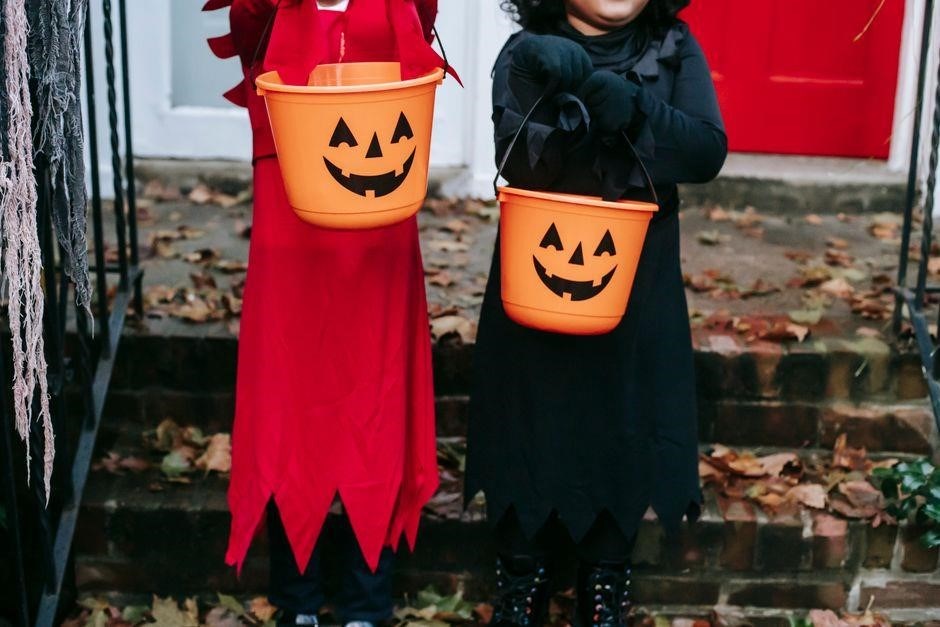
Historical Roots of Trick-or-Treating
Instruction to trick-or-treaters has roots in ancient harvest rites, where communities exchanged tokens of goodwill. Over centuries this evolved into modern candy‑gathering, blending folklore with communal safety norms that guide children’s nightly adventuresThis customs continue to inspire safety guidelines for families
Evolution of Halloween Traditions
Instruction to trick‑or‑treaters has a lineage that stretches back to the ancient Celtic festival of Samhain, when people lit bonfires and wore costumes to disguise themselves from wandering spirits. This early practice evolved into the medieval English custom of “souling,” where the poor would go door‑to‑door offering prayers in exchange for food. The tradition was further transformed by Irish immigrants in the 19th century, who introduced the modern “trick or treat” ritual to America, blending folklore with a sense of community charity. As the holiday spread across the United States, the focus shifted from soul‑food to candy, reflecting broader social changes and the rise of commercial confectionery. In the 20th century, Halloween became a nationwide celebration, marked by elaborate costumes, neighborhood parades, and a growing emphasis on safety. Modern guidelines now encourage families to observe traffic laws, wear reflective gear, and keep children supervised while they roam the streets. The phrase “instruction to trick‑or‑treaters” captures this evolution, reminding participants of their roots, the importance of respectful behavior, and the need to balance fun with responsibility. By honoring both heritage, communities can preserve the spirit of Halloween while ensuring a safe and enjoyable experience for all!!!
Additionally, local municipalities often issue specific safety advisories, such as limiting trick‑or‑treating hours, recommending that children stay within sight of parents, and encouraging the use of bright or reflective clothing. Schools and community groups sometimes organize neighborhood watch programs, where volunteers patrol streets to assist families and deter potential hazards. These collective efforts reinforce the idea that Halloween is not only a time for costumes and candy but also a communal responsibility. By integrating historical traditions with modern safety practices, the holiday continues to evolve while maintaining its core values of generosity, creativity, and shared joy. Such coordinated approaches underscore the enduring connection between past customs and present‑day community stewardship.
Past and present blend, brightening night.
Modern-Day Traditions and Community Expectations
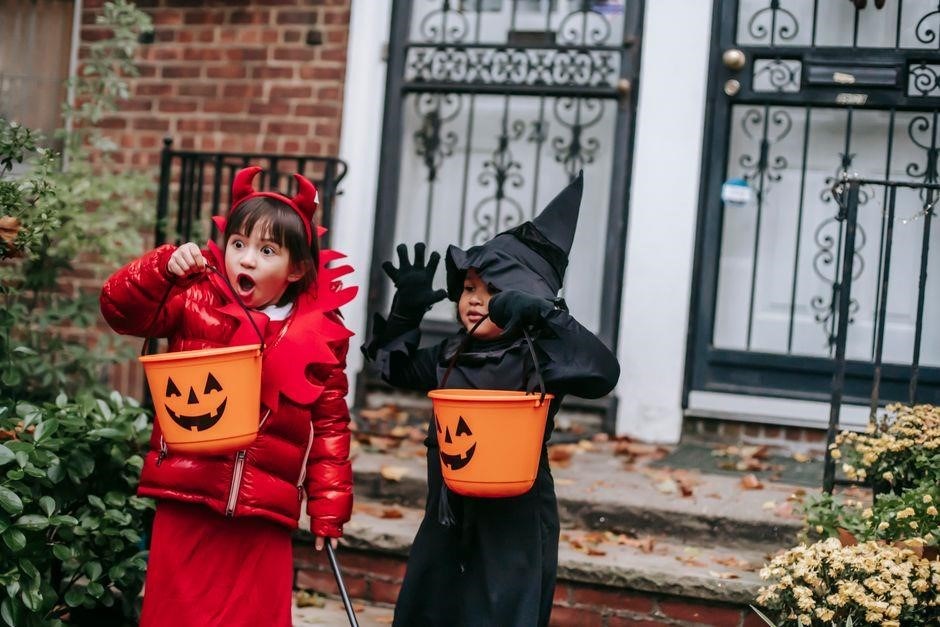
Instruction to trick-or-treaters guides today’s kids to stay safe, follow traffic rules, wear bright costumes, and respect neighbors. Communities set hours, provide maps, and encourage adult supervision, ensuring a fun, respectful, and secure Halloween for all families. Remember to check local guidelines for safe routes. Safe!
Community Expectations and Social Etiquette
Instruction to trick‑or‑treaters is more than a playful chant; it is a set of community‑driven guidelines that foster safety, respect, and shared joy. First, children are encouraged to greet neighbors politely, using a friendly “trick‑or‑treat” phrase that signals intent and invites goodwill. This simple ritual helps prevent misunderstandings and builds a sense of belonging. Second, the instruction emphasizes the importance of staying within designated hours, typically from dusk until midnight, to avoid late‑night traffic and fatigue. Parents and volunteers often post clear time frames on neighborhood boards, ensuring everyone knows when the festivities begin and end. Third, the etiquette calls for respectful behavior at each doorstep: knock gently, keep voices low, and refrain from lingering too long or demanding excessive treats. This teaches children the value of consideration for homeowners’ privacy and time. Fourth, the instruction highlights the need for visible, reflective clothing or accessories, especially when walking in dim light. Bright colors, glow‑sticks, or reflective tape on costumes help motorists spot trick‑or‑treaters and reduce collision risk. Fifth, the community encourages families to share healthy snack options, such as fruit or nuts, alongside traditional sweets. Finally, the instruction reminds all participants to keep their route plans safe: stay on well‑lit streets, avoid shortcuts through alleys or parks, and follow any local safety advisories. By adhering to these expectations, trick‑or‑treaters help create a Halloween that is joyous, secure, and memorable for everyone involved. Enjoy the night, stay safe, and smile!!!!
Safety Guidelines for Trick-or-Treaters
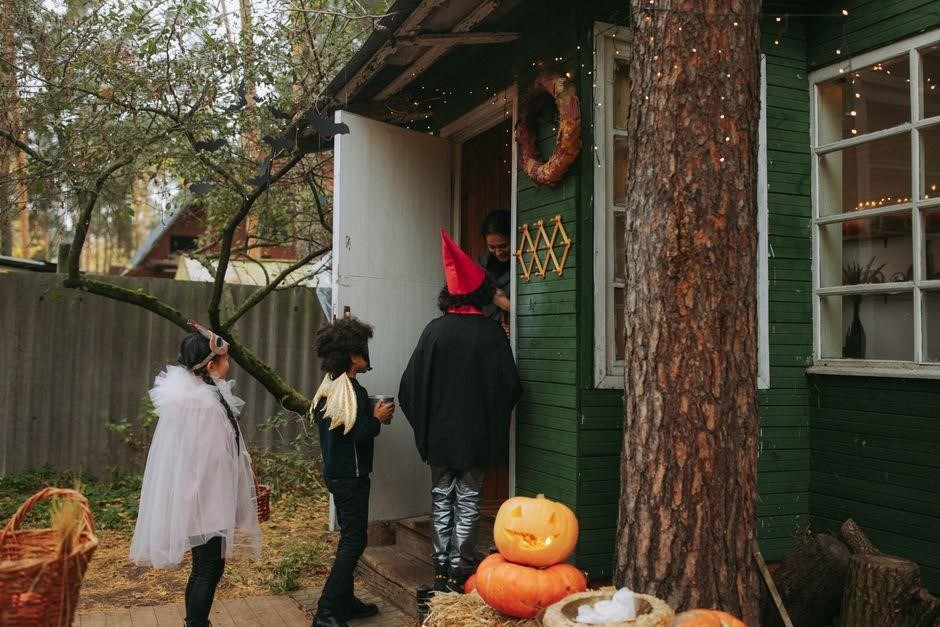
Instruction to trick-or-treaters serves as a concise, community‑approved set of rules that keep children safe while they roam the neighborhood. First, children should always wear bright, reflective gear or carry glow‑sticks so drivers can spot them from a distance. Second, they must stay on well‑lit streets, avoiding alleys or dark corners. Third, the instruction reminds kids to walk in pairs or groups, never alone, and to keep a safe distance from cars. Fourth, they should use crosswalks and obey traffic signals, only crossing when the light is green or the crosswalk signal is active. Fifth, parents or adult volunteers should escort younger children, ensuring they do not stray from the planned route. Sixth, the instruction encourages kids to ask for permission before entering a house, respecting homeowners’ privacy. Seventh, they should keep their hands inside their pockets or in a bag to avoid accidental contact with strangers. Eighth, the instruction advises families to limit sugary treats, opting for healthier options like fruit or nuts, and to keep a balanced snack plan. Finally, the instruction reminds everyone to stay hydrated, especially on hot nights, and to bring a small water bottle. By following these guidelines, trick‑or‑treaters can enjoy a fun, respectful, and safe Halloween experience for all participants.
These guidelines also remind trick‑or‑treaters to check local weather alerts, stay hydrated, and carry a small first‑aid kit for minor cuts. Parents should review safe routes, ensuring every child knows the neighborhood boundaries, safest streets to traverse.!!
Traffic and Road Safety Rules
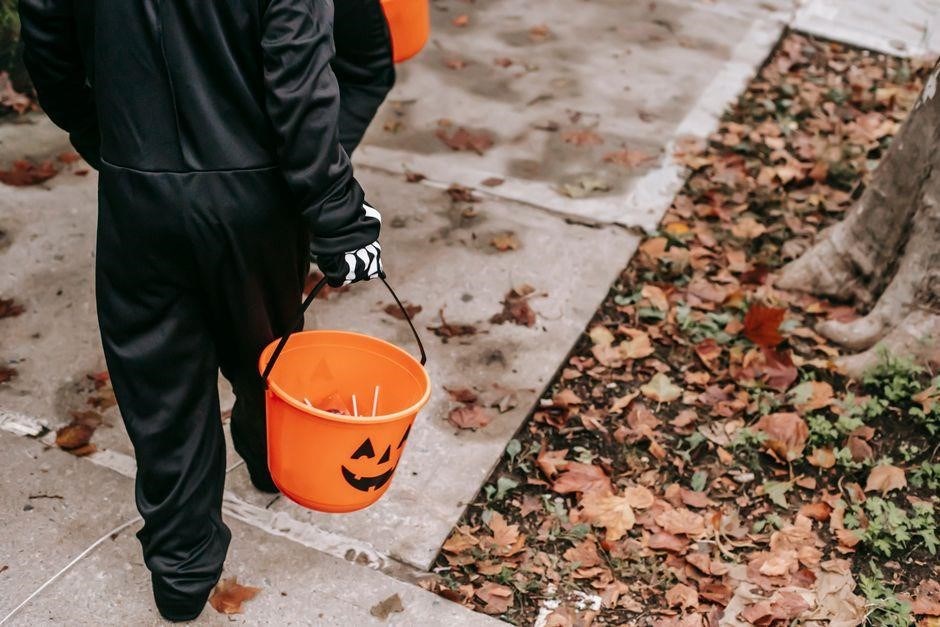
Instruction to trick-or-treaters: always cross at intersections, obey traffic lights, stay on sidewalks, wear reflective gear, keep a safe distance from vehicles and never drive alone. Parents should escort children, verify safe routes, and stay alert for pedestrians. Always watch traffic now!
Crossing at Intersections and Light Signals
Instruction to trick-or-treaters: always cross only at marked intersections, following the red‑light or crosswalk signal. When the light turns green for pedestrians, pause to ensure no oncoming traffic. Never step onto the road when the signal is red or the crosswalk is dark. Keep your eyes on both sides of the street, and listen for vehicles. Wear bright or reflective clothing to increase visibility. Use sidewalks whenever possible, and if you must cross a busy road, walk with an adult and hold a flashlight or glow stick. Children should stay within sight of a parent or guardian, and never cross alone. Traffic laws apply to both drivers and pedestrians; motorists should reduce speed and keep headlights on in neighborhoods where trick‑or‑treaters roam. By following these simple rules, families can enjoy a safe, enjoyable Halloween night while respecting road safety.
Remember that every child’s safety begins with preparation. Before heading out, parents should review the route, identify safe houses, and discuss the importance of staying together. Children should practice walking in a straight line, keeping their hands out of pockets, and avoiding distractions such as mobile phones. They should also remember to greet neighbors politely, say “Happy Halloween,” and keep a respectful distance. When encountering unfamiliar vehicles, children should look for a safe spot, such as a curb or a parked car, and wait until the driver has passed. By fostering a culture of awareness and responsibility, trick‑or‑treaters can enjoy the festive spirit while minimizing risk. carefully.now
Supervision and Adult Presence
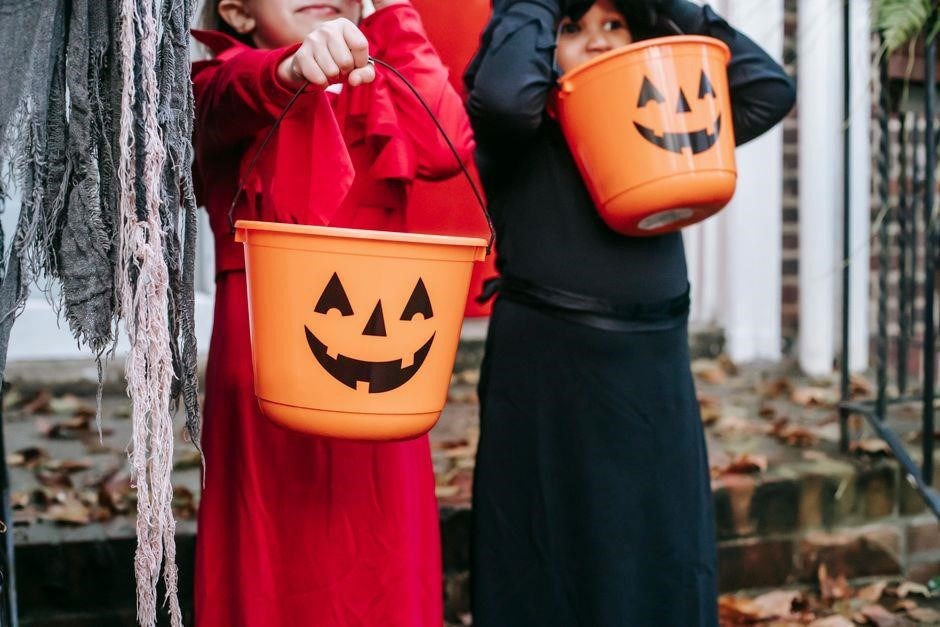
Instruction to trick-or-treaters: always stay with an adult. Parents should escort children, keep them in sight, andcheck each house. Never let kids roam alone. Adults must watch for traffic, ensure safe routes, and enforce rules. Together, safety and fun are guaranteed. Parents should also set a time limit keep tracknow
Importance of Adult Supervision
Instruction to trick-or-treaters emphasizes that parents must remain present, ensuring children stay within sight and adhere to safety protocols. By escorting kids, adults can monitor traffic, enforce crossing rules, and verify that costumes fit properly and are reflective for visibility. The presence of an adult reduces the risk of accidents, discourages wandering into unsafe areas, and allows immediate response to emergencies. Parents can also set a time limit, keep track of the route, and communicate with neighbors to coordinate safe paths. This collective vigilance upholds community standards, fosters trust, and guarantees that the Halloween experience remains both enjoyable and secure for families.
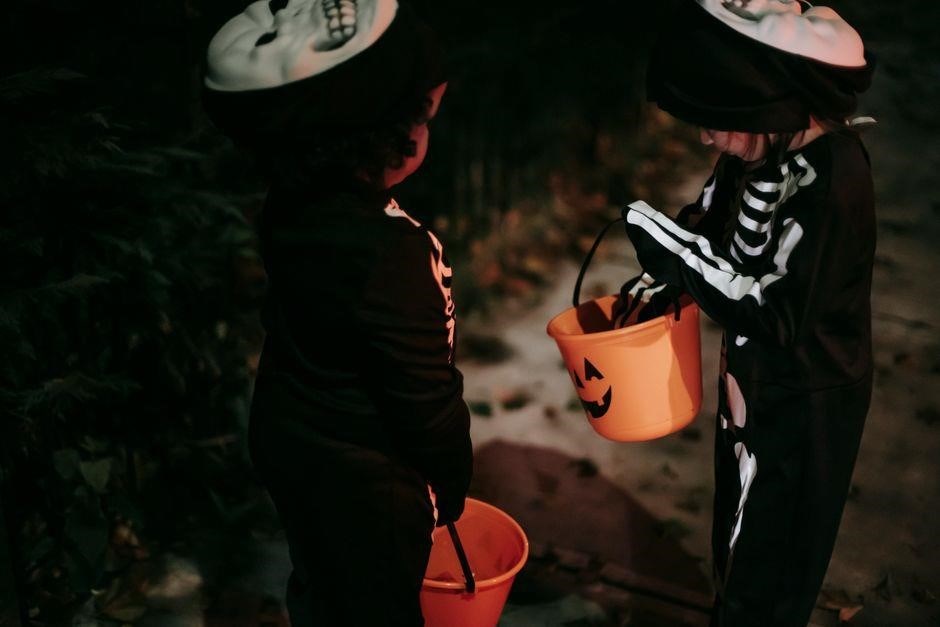
Adult supervision also serves as a teaching moment, allowing parents to explain the importance of staying together, recognizing safe and unsafe houses, and practicing polite greetings. By modeling respectful behavior, adults reinforce the idea that trick-or-treating is a shared community activity. Additionally, parents can keep a list of household contacts, share route plans with neighbors, and use mobile alerts to stay informed about local incidents. This proactive approach helps prevent misunderstandings, reduces the likelihood of theft or vandalism, and ensures that children return home with both treats and memories of a safe, joyous night.
Parents can also use technology such as group messaging apps or neighborhood alert systems to coordinate timing. By setting a “home time” confirming arrival, adults provide peace of mind to other households. Moreover, encouraging children to carry a small flashlight or glow‑stick enhances visibility during dusk, while reflective stickers on costumes improve safety. These combined practices create a culture of shared responsibility that protects all participants and preserves the festive spirit of Halloween.
Costume Safety and Visibility
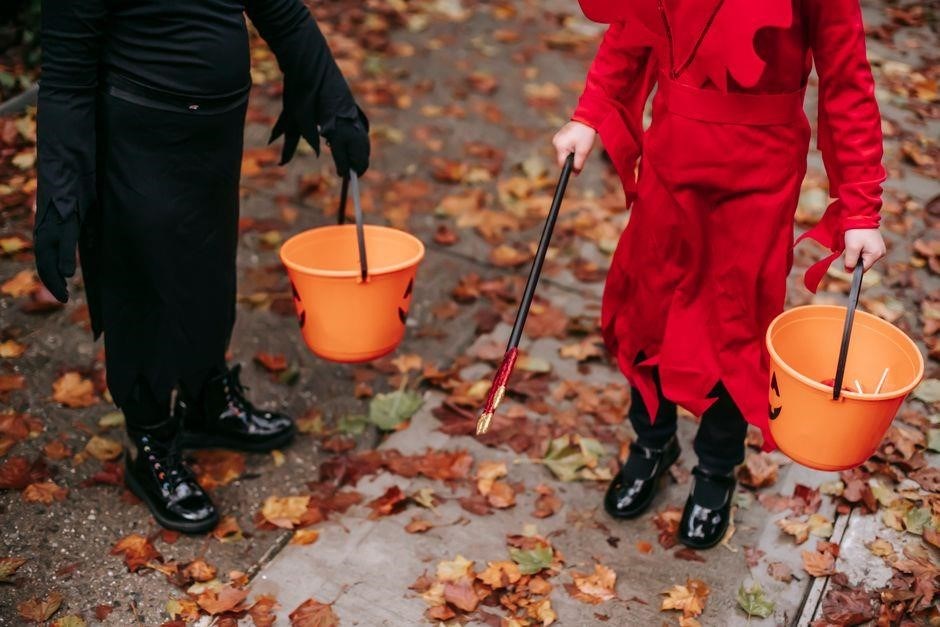
Instruction to trick-or-treaters: choose reflective fabrics, secure loose parts, and wear bright shoes. Keep masks clear to see, add glow‑sticks, and avoid heavy layers that hinder movement. Proper fit prevents tripping, while visibility reduces night‑time accidents. Stay safe, kids!.
Costumes with Reflective Materials and Proper Fit
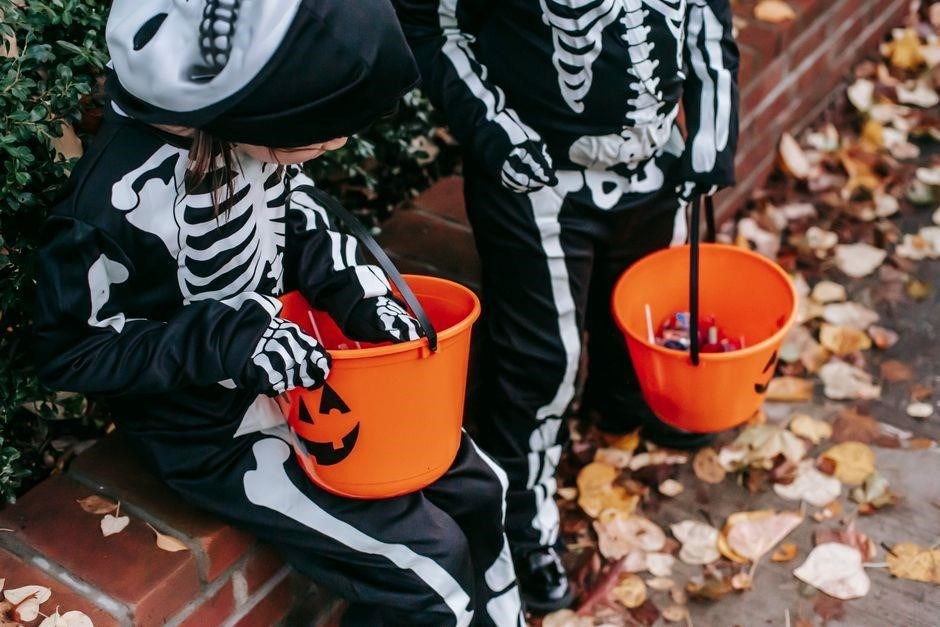
Instruction to trick-or-treaters: ensure costumes incorporate reflective strips or patches, especially on shoulders, sleeves, and hems, to enhance visibility in low light. Use lightweight, breathable fabrics that allow free movement, preventing tripping hazards. Secure loose accessories with Velcro or elastic bands, and avoid dangling elements that could snag on street furniture. Children should test their outfit in daylight before the evening, checking for any obstructions that might block sightlines. For masks, opt for designs with clear or semi‑transparent panels so that facial expressions remain visible to drivers. Pair the costume with high‑visibility accessories such as glow‑sticks, LED wristbands, or reflective tape on shoes. These additions not only comply with local traffic regulations but also reinforce safety for both the wearer and motorists. Parents are encouraged to review the costume with their child, ensuring that all reflective materials are firmly attached and that the overall fit is snug yet comfortable. By combining reflective elements with a properly fitted costume, trick‑or‑treaters can enjoy the festivities while minimizing the risk of nighttime accidents.
Additional safety notes emphasize the importance of checking weather conditions, ensuring that costumes are not overly hot or cold, and that children carry a small flashlight or glow‑stick for visibility. Parents should also confirm that all household members are aware of the route and that emergency contacts are updated. Finally, keep a small first aid kit handy in case of minor injuries!!
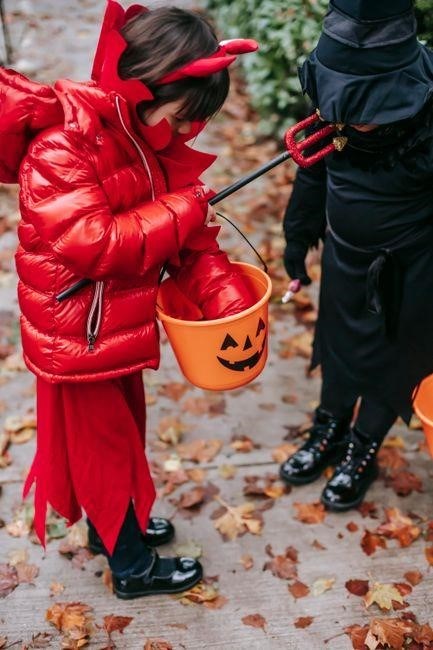
Treat Selection and Health Considerations
Instruction to trick‑or‑treaters: choose balanced sweets, limit sugary treats, and include fruit or nuts for nutrition. Verify packaging for allergens, read labels, and avoid overly processed candy. Encourage sharing and mindful portions to keep Halloween fun and healthy for all. Remember to carry water bottle and reusable bag
Selecting Healthy Treats and Avoiding Overindulgence
Instruction to trick‑or‑treaters: Prioritize treats that balance sweetness with nutrition. Choose individually wrapped candies with lower sugar content, or opt for chocolate bars that contain dark cocoa, which offers antioxidants. Incorporate fruit‑based sweets such as dried apricots, raisins, or small fruit packs; When accepting treats, inspect packaging for allergen warnings and avoid items containing artificial dyes or high fructose corn syrup. Carry a reusable bag to keep treats separate from regular groceries, preventing accidental overconsumption. Limit the number of high‑calorie items by setting a personal “treat quota” before heading out. Encourage sharing with friends to spread the joy while reducing personal intake. After collecting, store sweets in a cool, dry place and consume them within a week to maintain freshness. For families with dietary restrictions, offer homemade alternatives like oatmeal cookies or yogurt parfaits. Finally, educate children on mindful eating: savor each bite, chew slowly, and listen for fullness cues. This approach ensures Halloween remains festive yet health‑conscious, turning trick‑or‑treating into a lesson in balanced choices.
Parents can pre‑plan by creating a treat checklist, marking items to avoid, and setting a maximum number of treats per child. Use a small pouch to carry only a few items, preventing the temptation to bring home all the candy. Encourage kids to ask for small portions or trade excess treats with neighbors. After the night, review the total calorie intake and compare it to daily recommendations. Additionally, consider seasonal fruits like apples or grapes as a natural sweet option. By integrating these practices, instruction to trick‑or‑treaters becomes a holistic guide that promotes both enjoyment and wellness.
Goal is to ensure adventure ends with smiles, not crashes…
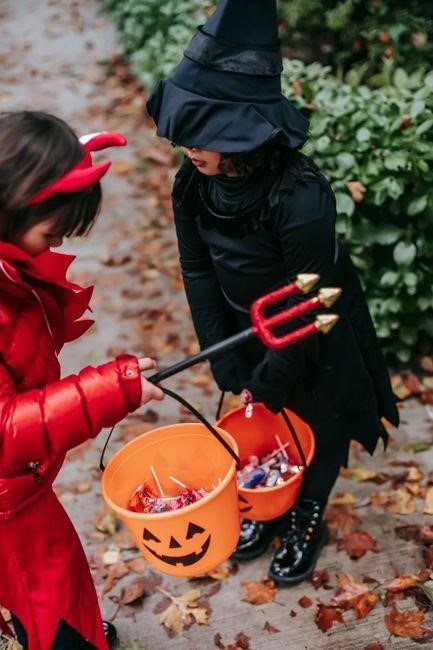
Route Planning and Neighborhood Choice
Instruction to trick-or-treaters: choose well-lit streets, avoid alleys, and stick to familiar routes. Check local alerts, plan stops near community centers, and keep a map handy. Use reflective gear, walk in groups, and stay within safe zones for a joyful, secure night!!!
Choosing Safe Routes and Checking Local Alerts
Instruction to trick‑or‑treaters: Prior to heading out, consult local news feeds, community bulletin boards, and official municipal alerts for any road closures, construction zones, or special Halloween patrol schedules. Map out a circuit that favors main roads, sidewalks, and well‑lit intersections. Avoid back alleys, vacant lots, or newly developed subdivisions that lack street lighting or established traffic patterns. When selecting a route, ensure that each stop is within a 10‑minute walk from your home or a trusted neighbor’s residence. Use a smartphone navigation app set to “walking mode” to receive real‑time updates on traffic conditions and detours. Carry a small flashlight or use a headlamp to increase visibility when walking in dimly lit areas. If you encounter a closed street, immediately turn around and choose the next available side street that leads back toward your planned route. Keep a list of emergency contacts, including local police, fire department, and a trusted adult, and share your planned route with them before you leave. In case of inclement weather, postpone your outing or choose a shorter route that stays within a safe distance from major intersections. Always stay alert, keep your phone charged, and follow the instruction to trick‑or‑treaters to maintain safety and enjoy the night.
Additionally, coordinate with neighbors to form a neighborhood watch group that checks each other’s routes and reports any suspicious activity. Encourage children to stay together in pairs or small groups, and remind them to keep their costumes secure so they do not trip over loose fabric or dangling accessories. This collaborative approach builds trust and ensures everyone returns safely. Parents should verify that all doors are locked before leaving!!!