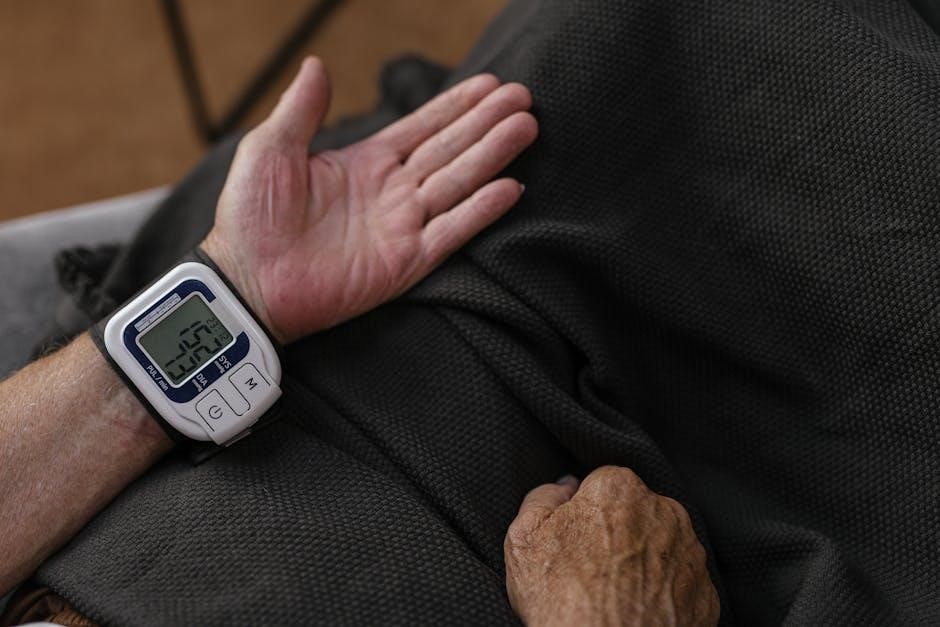
Microlife provides comprehensive support via 186+ downloadable manuals‚ including specific instructions for models like BP3GT1-6F and the BP B1 Classic.
What is a Microlife Blood Pressure Cuff?
Microlife blood pressure cuffs are oscillometric devices designed for home use‚ offering convenient and reliable blood pressure and pulse monitoring. These monitors‚ like the BP B1 Classic (124 x 92 x 61 mm‚ 251g)‚ utilize advanced technology to provide accurate readings within the ranges of 60-255 mmHg (SYS) and 40-200 mmHg (DIA).
Numerous instruction manuals‚ totaling over 186 PDFs‚ are readily available online to guide users through setup and operation‚ ensuring optimal performance and understanding.
Importance of Accurate Blood Pressure Monitoring
Accurate blood pressure monitoring is crucial for managing cardiovascular health and detecting potential issues early. Microlife cuffs‚ with ranges of 60-255 mmHg (SYS) and 40-200 mmHg (DIA)‚ aid in this process. Following the detailed instructions in the 186+ available manuals – like those for the BP3GT1-6F – ensures reliable results.
Consistent tracking‚ guided by these resources‚ empowers informed healthcare decisions.

Understanding Your Microlife Blood Pressure Cuff Model
Microlife offers diverse models – BP3GT1-6F‚ BP3GX1-5X‚ and BP B1 Classic – each with unique features detailed in downloadable instruction manuals.
Identifying Your Specific Model Number (e.g.‚ BP3GT1-6F‚ BP3GX1-5X)
Accurately identifying your Microlife blood pressure cuff model is crucial for accessing the correct support materials. Common models include BP3GT1-6F‚ BP3GT1-6X‚ BP3GY1-2N‚ BP3GU1-8X‚ BP3GX1-5N‚ BP3GX1-5X‚ BP3GX1-5A‚ BP3GQ1-3P‚ BP3GR1-3P‚ and BP3AQ1-1.
Refer to the device itself or original packaging to locate the model number. Microlife provides over 186 downloadable PDF manuals‚ categorized by specific model‚ ensuring you have the precise instructions for your device.
Key Features and Specifications Across Models
Microlife blood pressure monitors utilize oscillometric technology‚ measuring both systolic (SYS: 60-255 mmHg) and diastolic (DIA: 40-200 mmHg) pressure‚ alongside pulse rate (40-200 bpm). Many models feature irregular heartbeat detection.
The BP B1 Classic‚ for example‚ measures 124 x 92 x 61 mm and weighs 251g with batteries‚ operating on 4 x 1.5V AAA alkaline batteries. Detailed specifications are available in each model’s dedicated manual.
Dimensions and Weight of Common Models (BP B1 Classic)
The Microlife BP B1 Classic blood pressure monitor boasts compact dimensions of 124 x 92 x 61 millimeters. Its lightweight design‚ weighing 251 grams including batteries‚ enhances portability for convenient home use and travel.
Power is supplied by four 1.5V AAA alkaline batteries. Detailed operational guidance and troubleshooting are readily accessible within the comprehensive BP B1 Classic instruction manual.

Setting Up Your Microlife Blood Pressure Cuff
Microlife cuffs require four 1.5V AAA alkaline batteries for operation; ensure correct attachment and select the appropriate cuff size for accurate readings.
Installing Batteries (4 x 1.5V AAA Alkaline)
Microlife blood pressure cuffs utilize four 1.5V AAA alkaline batteries as their power source. To install‚ locate the battery compartment‚ typically on the unit’s underside or back. Ensure correct polarity when inserting the batteries‚ matching the positive (+) and negative (-) markings inside the compartment. Improper installation can prevent the device from functioning correctly. Always use new alkaline batteries for optimal performance and accurate measurements. Avoid mixing old and new batteries‚ or different battery types.
Attaching the Cuff Correctly
Proper cuff attachment is crucial for accurate readings. Position the cuff on your upper arm‚ ensuring the artery mark aligns with your brachial artery. The cuff should be snug‚ but not too tight – approximately one finger’s width should fit under the cuff edge. Ensure the cuff is positioned directly on bare skin‚ not over clothing. Incorrect placement or tightness can significantly affect blood pressure measurement accuracy‚ leading to unreliable results.
Choosing the Right Cuff Size
Selecting the correct cuff size is paramount for precise blood pressure monitoring. Using an improperly sized cuff – too small or too large – will yield inaccurate readings. Measure your arm circumference to determine the appropriate cuff size. Microlife offers various cuff sizes to accommodate different arm dimensions‚ ensuring optimal contact and reliable measurements. Refer to the manual for specific sizing guidelines to guarantee accuracy.

Taking Accurate Blood Pressure Measurements
Follow instructions accompanying your Microlife monitor for blood pressure measurements; the device uses oscillometric technology to measure pulse and detect irregularities.
Proper Body Positioning During Measurement
Ensure correct posture during measurement for accurate readings with your Microlife device. Sit quietly with your back supported‚ feet flat on the floor‚ and legs uncrossed.
Position your arm at heart level‚ supported comfortably. Avoid talking or moving during the measurement process‚ as this can influence the results. Relax for five minutes before taking a reading to stabilize your blood pressure. Proper positioning is crucial for reliable data.
Step-by-Step Measurement Guide
Follow these steps for accurate blood pressure readings using your Microlife monitor. First‚ attach the cuff correctly‚ ensuring proper size and positioning. Then‚ press the start button and remain still during inflation and deflation. The device measures systolic and diastolic pressure‚ alongside pulse rate. Record the results immediately‚ noting any irregular heartbeat indications. Repeat measurements as advised by your healthcare provider.
Understanding Systolic and Diastolic Readings (SYS: 60-255 mmHg‚ DIA: 40-200 mmHg)
Systolic pressure‚ the higher number‚ reflects heart contraction‚ ranging from 60-255 mmHg. Diastolic pressure‚ the lower value‚ indicates heart relaxation‚ measured between 40-200 mmHg. These readings‚ alongside pulse rate‚ provide a comprehensive view of cardiovascular health. Consistent monitoring and understanding these values are crucial for managing blood pressure effectively.

Interpreting Your Blood Pressure Readings
Microlife monitors detect irregular heartbeats alongside blood pressure and pulse rate (40-200 bpm)‚ aiding in comprehensive cardiovascular health assessment and tracking.
Blood Pressure Categories and What They Mean
Microlife blood pressure monitors measure systolic (SYS: 60-255 mmHg) and diastolic (DIA: 40-200 mmHg) pressures. Understanding these readings is crucial for health management. While specific categories aren’t detailed in the provided text‚ consistently monitoring and consulting a healthcare professional regarding your measurements is vital. Regular tracking‚ facilitated by the device‚ allows for informed discussions about potential lifestyle adjustments or medical interventions needed to maintain optimal cardiovascular well-being.
Pulse Rate Measurement (40-200 bpm) and Irregular Heartbeat Detection
Microlife blood pressure monitors measure pulse rate‚ ranging from 40 to 200 beats per minute‚ concurrently with blood pressure. Importantly‚ these devices also detect irregular heartbeats during measurement. The manual emphasizes continuing to follow instructions from your original Microlife monitor. This feature provides an additional layer of cardiovascular health insight‚ prompting potential consultation with a healthcare provider for further evaluation if irregularities are detected.
Recording and Tracking Your Measurements
Consistent monitoring is key to managing blood pressure effectively. While the provided text doesn’t detail specific tracking methods‚ utilizing a logbook or digital app alongside your Microlife monitor is recommended. Regularly recording systolic and diastolic readings‚ alongside pulse rate‚ allows for identification of trends. Share this data with your doctor for informed healthcare decisions and adjustments to your treatment plan‚ ensuring optimal cardiovascular health management.
Troubleshooting Common Issues
Microlife manuals address error messages and problems like cuff inflation failures or inconsistent readings‚ guiding users through solutions for accurate measurements.
Error Messages and Their Meanings
Microlife blood pressure monitor manuals detail various error messages‚ assisting users in diagnosing potential issues. These manuals explain what each message signifies‚ ranging from movement errors during measurement to low battery indicators. Understanding these codes‚ as outlined in the provided documentation (BP3GT1-6F‚ BP3GX1-5X‚ etc.)‚ is crucial for proper device function. The manuals offer troubleshooting steps to resolve the error‚ ensuring accurate blood pressure readings and reliable performance. Referencing the specific model’s manual is always recommended for precise interpretations.
Cuff Not Inflating Properly
If your Microlife cuff fails to inflate‚ consult the device’s manual (BP3GT1-6F‚ BP3GX1-5X‚ BP B1 Classic). Common causes include incorrect cuff attachment‚ a kinked tube‚ or depleted batteries. Ensure the cuff is securely connected and the tubing is free from obstructions. Verify sufficient battery power (4 x 1.5V AAA alkaline); If the issue persists‚ refer to the troubleshooting section within your model’s specific instruction manual for further guidance and potential solutions.
Inconsistent Readings
Microlife manuals (BP3GT1-6X‚ BP3GX1-5N) emphasize proper technique for consistent readings. Ensure correct body positioning and cuff placement. Avoid talking‚ moving‚ or crossing legs during measurement. Multiple readings‚ spaced apart‚ are recommended‚ averaging the results. If inconsistencies persist‚ check battery levels (4 x 1.5V AAA) and review the manual’s troubleshooting section. Consider consulting a healthcare professional if fluctuations are significant or concerning.

Cuff and Supply Information
Microlife offers replacement cuffs and accessories; manuals detail availability. The BP B1 Classic requires 4 x 1.5V AAA alkaline batteries for operation.
Availability of Replacement Cuffs
Microlife ensures continued usability of your blood pressure monitor through readily available replacement cuffs. While specific availability details aren’t explicitly stated in the provided text‚ the emphasis on comprehensive manuals suggests guidance on sourcing replacements is included within those resources. Users can access 186+ PDF manuals online‚ potentially detailing where to purchase appropriate cuff sizes for various Microlife models‚ including the BP B1 Classic. Checking the official Microlife website or contacting their customer service is recommended for current stock information and compatibility.
Microlife Blood Pressure Cuff Accessories
Microlife’s focus on user support‚ evidenced by 186+ downloadable manuals‚ implies information regarding available accessories is accessible. Though not directly detailed in the provided text‚ these manuals likely cover compatible accessories for models like the BP3GT1-6F and BP B1 Classic. Beyond replacement cuffs‚ potential accessories could include power adapters or specialized storage cases. Users should consult the official Microlife website or the detailed instruction manuals to discover the full range of available accessories and ensure compatibility with their specific device.

Maintaining Your Microlife Blood Pressure Cuff
Microlife manuals detail cleaning‚ storage‚ and battery replacement (4 x 1.5V AAA alkaline). Device lifespan and calibration details are also included.
Cleaning and Storage Instructions
Microlife manuals emphasize gentle cleaning of the cuff with a damp cloth and mild detergent; avoid abrasive cleaners. Ensure the device is completely dry before storage. Store the blood pressure monitor in a cool‚ dry place‚ protected from direct sunlight and extreme temperatures. Proper storage extends the device’s lifespan and maintains accuracy. Avoid storing with batteries installed for prolonged periods to prevent potential leakage or corrosion. Regular cleaning contributes to hygienic and reliable blood pressure monitoring.
Battery Replacement Guidelines
Microlife blood pressure monitors require 4 x 1.5V AAA alkaline batteries. Replace batteries when the low battery indicator appears on the display. Always use new batteries of the same type and avoid mixing old and new batteries. Ensure correct polarity when inserting batteries. Dispose of used batteries responsibly‚ following local regulations. Battery life varies with usage; frequent measurements necessitate more frequent replacements for accurate readings.
Device Lifespan and Calibration
Microlife blood pressure monitors are designed for long-term use with proper care. While a specific lifespan isn’t defined‚ regular maintenance extends device functionality. Calibration isn’t typically user-adjustable; accuracy relies on correct cuff size‚ proper technique‚ and battery health. If concerns arise regarding accuracy‚ contact Microlife customer service for guidance and potential servicing options to ensure reliable measurements.
Advanced Features & Model Specifics
Microlife employs oscillometric technology‚ and models like BP3GT1-6F‚ BP3GX1-5X‚ and BP3AQ1-1 offer varied features detailed in their respective manuals.
Oscillometric Measurement Technology Explained
Microlife blood pressure monitors utilize oscillometric technology‚ a non-invasive method for determining blood pressure. This involves inflating the cuff and then gradually releasing air while detecting oscillations in the artery walls. These oscillations correlate to systolic and diastolic pressures. The device analyzes these pressure fluctuations to calculate and display your blood pressure reading‚ alongside your pulse rate. This technology also enables irregular heartbeat detection‚ providing a comprehensive cardiovascular assessment as outlined in the provided manuals.
BP3GT1-6F‚ BP3GT1-6X‚ BP3GY1-2N‚ BP3GU1-8X‚ BP3GX1-5N‚ BP3GX1-5X‚ BP3GX1-5A‚ BP3GQ1-3P‚ BP3GR1-3P‚ BP3AQ1-1 Model Differences
Microlife offers a diverse range of blood pressure monitors‚ each with unique features. Dedicated instruction manuals are available for each model – BP3GT1-6F‚ BP3GT1-6X‚ and others – detailing specific functionalities. While all utilize oscillometric technology‚ variations exist in memory capacity‚ cuff size options‚ and connectivity features. Refer to the corresponding PDF manual for detailed specifications and operational guidance for your particular device.

Downloading Manuals and Support
Microlife provides access to over 186 downloadable PDF manuals online‚ alongside comprehensive support resources on their official website for all models.
Accessing PDF Manuals Online (186+ Available)
Microlife offers a vast library of over 186 downloadable PDF manuals directly on their website‚ catering to a wide range of blood pressure monitor models. Users can easily find instructions for specific devices like the BP3GT1-6F‚ BP3GT1-6X‚ and the classic BP B1.
These manuals include operating guides and service manuals‚ ensuring users have the necessary information for proper setup‚ accurate measurements‚ and troubleshooting common issues. Accessing these resources empowers users to maximize the benefits of their Microlife blood pressure monitor.
Microlife Official Website for Support
Microlife’s official website serves as a central hub for comprehensive support resources‚ including a dedicated section for blood pressure monitor manuals. Users can readily access PDF versions of instructions for models such as BP3GX1-5X‚ BP3GQ1-3P‚ and the BP B1 Classic.
The website provides guidance on accurate measurements‚ error message interpretations‚ and troubleshooting‚ ensuring optimal device performance. It’s the primary source for staying informed about your Microlife product.
Contacting Microlife Customer Service
Microlife provides dedicated customer service to assist users with any questions regarding their blood pressure cuffs and associated manuals. While specific contact details aren’t explicitly provided in the sourced information‚ the official website is the best starting point.
Users can likely find contact forms‚ email addresses‚ or phone numbers there for direct support related to their device‚ including assistance with understanding the instruction manuals.
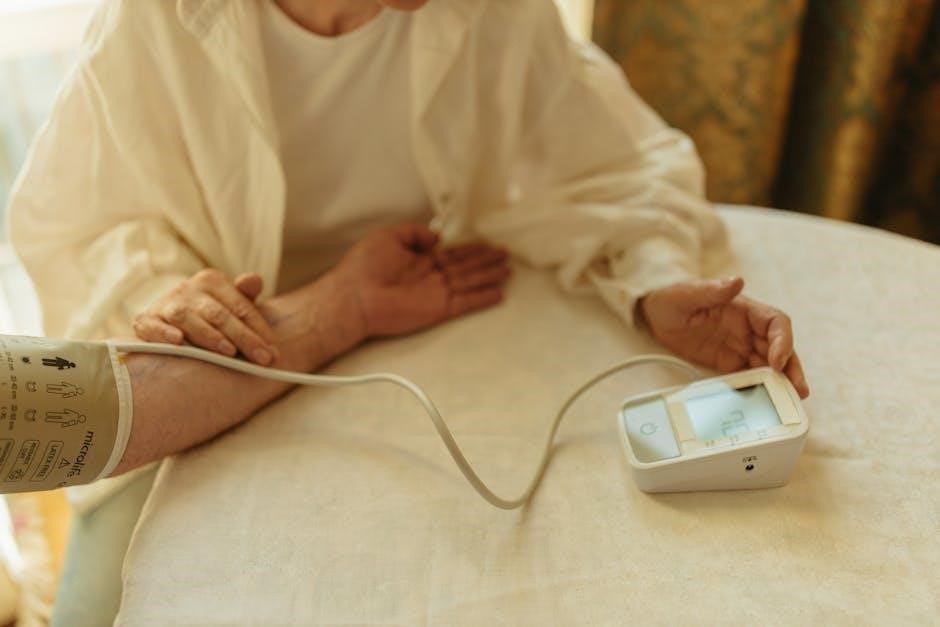
Travel and Blood Pressure Monitoring
Microlife supports convenient health tracking on the go; their website also offers travel deals to destinations like Belfast and London.
Tips for Monitoring Blood Pressure While Traveling
Consistent monitoring is key when traveling; adhere to instructions from your Microlife monitor’s manual. Pack your cuff and batteries securely. Maintain your regular measurement schedule‚ even with time zone changes – adjust timings accordingly. Record readings diligently to track any travel-related fluctuations. Remember to follow all original instructions accompanying your Microlife device for accurate results. Utilize the device’s irregular heartbeat detection feature if needed‚ and consult a healthcare professional if concerns arise during your trip.
Finding Cheap Flights and Travel Deals (Belfast‚ London) ー Note: Related to website content‚ potentially for user convenience
While prioritizing health‚ planning travel can be streamlined! A 3-in-1 travel app helps find cheap flights and hotels to destinations like Belfast and London. Compare major airlines and online travel agents for the best deals‚ booking car hire simultaneously. New features ensure hassle-free booking‚ allowing focus on consistent blood pressure monitoring using your Microlife cuff‚ following the manual’s guidance throughout your journey.

Safety Precautions
Microlife monitors are oscillometric; consult the manual for contraindications and warnings before use‚ ensuring safe and accurate blood pressure measurements.
Contraindications for Use
Microlife blood pressure monitors are not intended for use on individuals with severe arrhythmias‚ or those undergoing acute medical events requiring immediate attention. The manual stresses following all original instructions accompanying the device. Individuals with vascular access sites‚ or those experiencing conditions affecting arterial pulse‚ should consult a healthcare professional before use. This device is not a substitute for regular medical check-ups and should be used responsibly‚ adhering to all safety guidelines outlined in the provided documentation.
Warnings and Cautions
Microlife manuals emphasize this device is an oscillometric monitor‚ and readings should be interpreted by a healthcare professional. Do not self-treat based solely on measurements. Ensure the correct cuff size is used for accurate results. Avoid taking measurements during intense physical activity or stressful situations. Keep the device dry and away from extreme temperatures. Regularly check battery condition and replace as needed for optimal performance‚ following all safety instructions.
Understanding Blood Pressure and Health
Microlife devices aid in monitoring blood pressure‚ a key indicator of cardiovascular health‚ enabling proactive lifestyle adjustments for better well-being.
The Link Between Blood Pressure and Cardiovascular Health
Regular blood pressure monitoring with a Microlife cuff is crucial for understanding your cardiovascular risk. Elevated blood pressure significantly strains the heart and blood vessels‚ potentially leading to serious conditions like heart disease‚ stroke‚ and kidney failure. Consistent tracking‚ facilitated by detailed manuals for models like BP3GT1-6F‚ empowers individuals to proactively manage their health. Understanding systolic and diastolic readings (SYS: 60-255 mmHg‚ DIA: 40-200 mmHg) is vital‚ alongside pulse rate measurements‚ to identify irregularities and seek timely medical advice.
Lifestyle Changes to Manage Blood Pressure
Utilizing a Microlife blood pressure cuff‚ alongside positive lifestyle adjustments‚ is key to cardiovascular wellbeing. Adopting a heart-healthy diet low in sodium‚ regular physical activity‚ and maintaining a healthy weight are fundamental. Stress management techniques are also beneficial. Consistent monitoring‚ guided by manuals for models like BP3GX1-5X‚ allows individuals to assess the effectiveness of these changes and collaborate effectively with healthcare professionals for personalized management plans.