Canadian Firearms Safety Course Practice Exam PDF: A Comprehensive Study Plan
Embark on a focused journey to secure your Canadian firearms license with readily available practice exams, study guides, and expert tips designed for success!
Understanding the Canadian Firearms Licensing System
Navigating the Canadian firearms landscape requires a clear understanding of the Possession and Acquisition Licence (PAL) system. The Royal Canadian Mounted Police (RCMP) oversees this, dictating the necessary courses and exams for responsible firearm ownership.
Two primary pathways exist: the Canadian Firearms Safety Course (CFSC) for non-restricted firearms – rifles and shotguns – and the Canadian Restricted Firearms Safety Course (CRFSC) for handguns and certain other firearms.
The licensing process involves successfully completing the relevant safety course, passing the associated exam, and undergoing a background check. Different exams cater to specific firearm classes, ensuring individuals demonstrate competency before possessing them.
Combined courses are also available, streamlining the process for those seeking both non-restricted and restricted PALs. Preparation is key, and utilizing practice exams mirroring the real test format is crucial for success.
The CFSC Exam: Non-Restricted Firearms
The Canadian Firearms Safety Course (CFSC) exam focuses specifically on the safe handling and legal requirements for non-restricted firearms – primarily rifles and shotguns. This exam is the foundational step for hunters and sport shooters aiming to legally possess these types of firearms in Canada.
Expect a 40-question assessment covering essential topics like firearm actions, safe storage procedures, ammunition types, and hunting regulations. Practice exams are invaluable for familiarizing yourself with the question format and identifying knowledge gaps.
Key areas of focus include responsible firearm storage to prevent unauthorized access, safe transportation protocols, and adherence to provincial hunting regulations.
Effective preparation involves thoroughly reviewing the CFSC manual, utilizing chapter-specific quizzes, and completing full-length mock exams to simulate the test environment. A strong understanding of manufacturer’s specifications is also beneficial.
The CRFSC Exam: Restricted Firearms
The Canadian Restricted Firearms Safety Course (CRFSC) exam delves into the complexities of handgun safety, operation, and the stringent regulations governing restricted firearms in Canada. This certification is mandatory for individuals seeking to possess handguns or other restricted firearms.
The 25-question assessment tests your knowledge of secure storage requirements, transportation rules, and the legal framework surrounding restricted firearms. Practice exams are crucial for mastering these specific regulations.
Key topics include safe handgun handling techniques, proper loading and unloading procedures, and a comprehensive understanding of prohibited firearms classifications.
Successful preparation requires diligent study of the CRFSC manual, focused practice on handgun-specific questions, and simulated exam conditions. Understanding the differences between restricted and prohibited firearms is paramount for passing the exam.
Combined CFSC/CRFSC Exam Format
Many Canadian firearms students encounter a combined course exam, testing knowledge of both non-restricted and restricted firearms. This format mirrors the comprehensive requirements for obtaining a Possession and Acquisition Licence (PAL) that covers all firearm classes.
Typically, this exam consists of 50 questions – 25 dedicated to the Canadian Firearms Safety Course (CFSC) material (rifles and shotguns) and 25 focused on the Canadian Restricted Firearms Safety Course (CRFSC) content (handguns).
Full-length mock exams replicating this structure are invaluable for preparation. They simulate the real test environment, helping you build stamina and refine your time management skills.
Effective practice involves alternating between CFSC and CRFSC questions, ensuring a balanced understanding of both non-restricted and restricted firearm regulations. Familiarity with this combined format is key to exam success.
Key Topics Covered in the CFSC Exam
The CFSC exam, focusing on non-restricted firearms, comprehensively assesses your understanding of rifle and shotgun safety, handling, and legal responsibilities. Expect questions covering safe handling procedures, crucial for preventing accidents and ensuring responsible gun ownership.
A significant portion of the exam delves into storage and transportation regulations for non-restricted firearms, emphasizing secure practices to deter theft and unauthorized access. Hunting regulations and ethical considerations are also prominent, testing your knowledge of fair chase principles and wildlife conservation.
Furthermore, the exam evaluates your grasp of ammunition types, safe usage, and potential hazards. Understanding manufacturer’s specifications and adhering to safety guidelines are vital components. Practice exams should prioritize these areas for optimal preparation.
Mastering these key topics is essential for passing the CFSC and obtaining your non-restricted PAL.
Firearms Safety Fundamentals
At the core of the Canadian Firearms Safety Course lies a commitment to unwavering safety. Fundamental principles emphasize treating every firearm as if it’s loaded, maintaining control of the muzzle direction, and being absolutely certain of your target and what lies beyond it.
Understanding the four rules of firearm safety – treat all guns as loaded, never point at anything you don’t intend to shoot, keep your finger off the trigger until ready to fire, and be sure of your target – is paramount. These rules form the bedrock of responsible gun handling.
Practice exams will consistently reinforce these concepts, testing your ability to apply them in various scenarios. Safe gun storage, proper ammunition handling, and recognizing potential hazards are also crucial elements.
A solid grasp of these fundamentals isn’t just about passing the exam; it’s about cultivating a lifelong commitment to safe and responsible firearms ownership.
Safe Handling Procedures for Rifles and Shotguns
Mastering safe handling of rifles and shotguns is central to the CFSC exam. Practice exams will heavily feature scenarios requiring correct actions for loading, unloading, and carrying these firearms. Knowing the specific safety mechanisms of each type is vital.
Rifle safety includes understanding the operation of the action, bolt, and trigger, as well as proper sight alignment. Shotgun procedures emphasize safe loading techniques, recognizing different choke configurations, and understanding the spread pattern.
Practice quizzes will assess your ability to identify unsafe conditions and apply corrective measures. You’ll be tested on proper stance, grip, and trigger control.

Remember, safe handling isn’t just about following rules; it’s about developing ingrained habits that prioritize safety in every situation. Consistent practice with exam materials will solidify these skills.
Ammunition and its Safe Use
A thorough understanding of ammunition is crucial for the CFSC exam, and practice PDFs dedicate significant sections to this topic. You’ll need to know different cartridge types, their components, and how they function within firearms.
Safe ammunition handling includes proper storage, avoiding mixing different types, and recognizing signs of damage or deterioration. Practice questions will test your knowledge of ammunition compatibility with specific firearms.
Exam preparation must cover the dangers of improper ammunition use, such as hangfires, squib loads, and overpressure situations. Understanding the effects of different bullet weights and velocities is also important.
Focus on identifying ammunition by caliber and type, and knowing the safe procedures for handling malfunctions related to ammunition. Mastering these concepts will significantly boost your exam score.
Storage, Transportation, and Display of Non-Restricted Firearms
CFSC practice exams heavily emphasize the legal requirements for safely storing non-restricted firearms, ensuring they are inaccessible to unauthorized individuals, particularly children. PDFs will detail acceptable storage methods like locked cabinets and trigger locks.
Transportation regulations are another key focus. You’ll need to understand rules regarding unloaded firearms, secure cases, and direct routes to authorized locations like shooting ranges or hunting areas.
Practice questions assess your knowledge of provincial variations in transportation laws. Displaying firearms safely, even in your home, is also covered, emphasizing preventing accidental access and visibility to the public.
Mastering these rules is vital for passing the exam and demonstrating responsible firearms ownership. PDFs often include scenarios testing your application of these regulations in real-world situations.
Essential CRFSC Exam Content
CRFSC practice exam PDFs concentrate on the stringent regulations surrounding restricted firearms, specifically handguns. Expect detailed questions on proper handgun safety, including the four fundamental rules, and safe handling procedures.
A significant portion focuses on the legal requirements for obtaining and maintaining a Restricted Possession and Acquisition Licence (RPAL). PDFs will cover eligibility criteria, application processes, and ongoing obligations.
You’ll be tested on secure storage requirements for restricted firearms, which are far more demanding than those for non-restricted weapons. This includes approved storage containers and record-keeping practices.
Practice materials will also assess your understanding of transportation rules for restricted firearms, emphasizing the need for an Authorization to Transport (ATT) in most cases. Thorough preparation is key to success!
Restricted Firearms Regulations
CRFSC practice exam PDFs heavily emphasize Canada’s strict regulations governing restricted firearms. These materials will drill you on the legal definitions differentiating restricted from non-restricted and prohibited firearms, a crucial aspect of the exam.
Expect detailed questions regarding the specific conditions under which restricted firearms can be possessed, transported, and used. Understanding the nuances of Authorizations to Transport (ATTs) is paramount for success.

Practice exams will assess your knowledge of storage, display, and transportation requirements, which are significantly more stringent for restricted firearms than their non-restricted counterparts.
Furthermore, PDFs will cover the legal ramifications of non-compliance, including potential fines and licence revocation. Mastering these regulations is essential for responsible firearms ownership in Canada.
Handgun Safety and Operation
CFSC/CRFSC practice exam PDFs dedicate substantial sections to handgun safety, reflecting the heightened scrutiny surrounding these firearms. Expect detailed questions on the four fundamental rules of firearm safety, specifically applied to handgun handling.
These resources will test your understanding of safe loading, unloading, and operating procedures, including proper grip, stance, and sight alignment. You’ll encounter scenarios requiring you to identify unsafe practices.
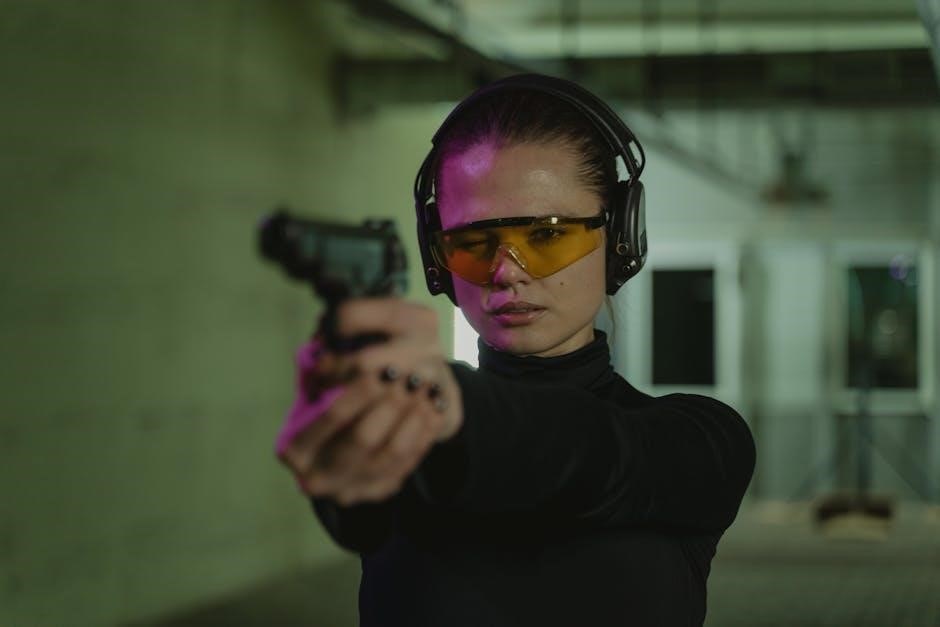
Practice exams will also cover the unique safety mechanisms found on various handgun models and the importance of understanding manufacturer’s specifications. Safe storage of handguns, often requiring locked containers, is a key focus.
Mastering the legal requirements for possessing and transporting handguns, including ATT procedures, is vital for exam success and responsible ownership.
Prohibited Firearms: Understanding the Restrictions
CFSC/CRFSC practice exam PDFs thoroughly assess your knowledge of prohibited firearms in Canada, a critical component of responsible gun ownership. These materials detail specific firearm classifications and the legal ramifications of possessing prohibited devices.
Expect questions identifying prohibited handguns, fully automatic firearms, and converted semi-automatic weapons. The exams emphasize understanding why certain firearms are restricted and the penalties for non-compliance.
Practice scenarios will challenge you to differentiate between restricted and prohibited firearms based on their characteristics and modifications. You’ll need to know the grandfathering rules and amnesty programs related to previously legal firearms;
Comprehensive PDFs also cover the legal obligations regarding reporting, surrendering, or destroying prohibited firearms, ensuring you’re well-prepared to navigate Canada’s complex firearms legislation.

Secure Storage Requirements for Restricted Firearms
CFSC/CRFSC practice exam PDFs heavily emphasize the stringent secure storage regulations for restricted firearms, a cornerstone of Canadian firearms safety. These resources detail the specific requirements for vaults, safes, and trigger locks.
Expect detailed questions regarding the minimum specifications for restricted firearms storage, including wall and door construction, locking mechanisms, and bolting to the floor or wall. Understanding these regulations is vital for passing the exam.
Practice scenarios will test your ability to identify compliant and non-compliant storage setups, ensuring you can apply the rules in real-world situations. You’ll learn about separation requirements from ammunition and other firearms.
Comprehensive PDFs also cover the legal consequences of improper storage, including potential criminal charges and the revocation of your Possession and Acquisition Licence (PAL).
Practice Exam Resources: Types and Availability

A wealth of CFSC/CRFSC practice exam PDFs and online resources are available to aid your preparation. These range from free online quizzes to comprehensive, paid mock exams designed to simulate the actual test environment.
Free resources often include chapter-specific quizzes focusing on individual topics like firearms safety, regulations, and handling procedures. These are excellent for targeted study and identifying knowledge gaps.
Paid PDFs typically offer full-length mock exams mirroring the combined CFSC/CRFSC format, with a mix of non-restricted and restricted firearms questions. They often include detailed answer explanations and performance tracking.
Availability is widespread; resources can be found through online firearms training providers, PAL preparation websites, and even directly from some provincial firearms organizations. Careful selection based on content and reviews is key.
Free Online CFSC Practice Quizzes
Numerous websites offer free CFSC practice quizzes, providing a convenient and accessible way to test your knowledge of non-restricted firearms safety and regulations. These quizzes typically focus on core concepts covered in the Canadian Firearms Safety Course textbook.
Expect questions covering rifle and shotgun handling, ammunition safety, storage requirements, and hunting regulations. Many quizzes offer immediate feedback, highlighting correct and incorrect answers to facilitate learning.
These resources are ideal for quick knowledge checks and reinforcing key principles. They allow you to identify areas where further study is needed before tackling more comprehensive practice exams.
While valuable, remember that free quizzes may not fully replicate the complexity and format of the official CFSC exam. Supplement them with other study materials for optimal preparation. Look for quizzes offering hints and explanations for a deeper understanding.
Paid CFSC/CRFSC Practice Exam PDFs
Investing in paid CFSC/CRFSC practice exam PDFs often provides a more realistic exam simulation compared to free resources. These PDFs typically include a larger question bank, mirroring the length and format of the actual Canadian Restricted PAL (RPAL) exam.
Comprehensive PDFs often feature both non-restricted (CFSC) and restricted (CRFSC) firearms questions, preparing you for the combined course exam. They may also include detailed answer explanations, helping you understand the reasoning behind correct responses.
Look for PDFs that are regularly updated to reflect the latest changes in firearms legislation and regulations. Some providers offer chapter-specific quizzes alongside full-length mock exams.
While requiring a financial investment, these PDFs can significantly boost your confidence and improve your chances of passing the exam on your first attempt. Ensure the provider is reputable and offers high-quality content.
Chapter-Specific Quizzes for Targeted Study
To refine your understanding and address specific knowledge gaps, utilize chapter-specific quizzes designed for the Canadian Firearms Safety Course (CFSC). These quizzes focus on individual sections of the official RCMP textbook, allowing for a more concentrated study approach.
Targeted practice helps reinforce key concepts related to firearms safety, handling procedures, and legal requirements. By identifying areas where you struggle, you can dedicate more time to mastering those topics.
Many online platforms and practice exam PDFs offer these chapter-based assessments. They often include immediate feedback, highlighting both correct and incorrect answers.
This focused method is particularly beneficial for complex subjects like ammunition types, storage regulations, or provincial firearms laws. Chapter quizzes enhance learning and ensure you’re fully prepared for the comprehensive exam.
Full-Length Mock Exams: Simulating the Real Test
Essential for exam preparation, full-length mock exams replicate the actual Canadian Firearms Safety Course (CFSC) and Restricted Firearms Safety Course (CRFSC) testing experience. These assessments combine questions covering both non-restricted and restricted firearms, mirroring the combined RPAL exam format.
Typically, a mock exam will present 50 questions, demanding comprehensive knowledge of firearms regulations, safe handling practices, and legal responsibilities; Taking these exams under timed conditions simulates the pressure of the real test.
Available in PDF format or through online platforms, these resources provide a realistic assessment of your readiness. Analyzing your performance reveals strengths and weaknesses, guiding further study.
Practice exams are crucial for building confidence and familiarizing yourself with the question style and difficulty level. They are a vital step towards successfully obtaining your Possession and Acquisition Licence (PAL).
Maximizing Your Practice Exam Score
To achieve optimal results on your Canadian Firearms Safety Course (CFSC) and Restricted Firearms Safety Course (CRFSC) practice exams, a strategic approach is vital. Begin by thoroughly understanding the question formats and recognizing common traps designed to mislead candidates.
Carefully review each incorrect answer, identifying the specific knowledge gap that led to the mistake. Utilize flashcards and comprehensive study guides to reinforce weak areas and solidify your understanding of key concepts.
Effective time management is crucial during the exam. Practice pacing yourself during mock exams to ensure you can attempt all questions without rushing. Remember to consult manufacturer’s specifications for safety details.
Consistent practice and focused review are the cornerstones of success. By employing these strategies, you’ll significantly increase your chances of passing the exam and obtaining your PAL.
Understanding Question Formats and Common Traps
The CFSC and CRFSC exams employ a variety of question formats, primarily multiple-choice, designed to assess your comprehension of firearms safety and regulations. Be prepared for questions testing knowledge of non-restricted and restricted firearms, storage, transportation, and legal requirements.
Common traps often involve subtly worded questions with similar answer options, requiring careful reading and precise understanding. Pay attention to keywords like “always,” “never,” and “most,” as they frequently indicate incorrect answers.
Questions may also test your ability to apply regulations to specific scenarios. Familiarize yourself with provincial and federal firearms legislation, as well as manufacturer’s specifications for each firearm model.
Practice exams are invaluable for recognizing these patterns and developing strategies to avoid falling for common traps, ultimately boosting your exam performance.
Reviewing Incorrect Answers and Identifying Weaknesses
A crucial step in maximizing your practice exam score involves a thorough review of every incorrect answer. Don’t simply note the correct response; delve into why you made the mistake. Was it a misunderstanding of the regulation, a misinterpretation of the question, or a gap in your knowledge?
Categorize your errors – are they concentrated in specific areas like storage, transportation, or handgun safety? Identifying these weaknesses allows you to focus your study efforts effectively.
Utilize study guides and flashcards to reinforce concepts where you consistently struggle. Re-read relevant sections of the RCMP Canadian Firearms Safety Course textbook and Alberta Hunter Education materials.
Repeat practice quizzes focusing on your weak areas until you demonstrate consistent improvement. This targeted approach is far more efficient than re-studying everything.
Utilizing Flashcards and Study Guides
Effective preparation for the CFSC/CRFSC exam heavily relies on supplementary study tools like flashcards and comprehensive study guides. Flashcards are excellent for memorizing key definitions, regulations, and firearm components – crucial for quick recall during the test.
Create flashcards covering topics such as safe handling procedures, ammunition types, storage requirements, and provincial regulations. Utilize both sides effectively: question on one side, answer on the other.
Study guides provide a structured overview of the course material, consolidating information from the textbook and other resources. Look for guides that include multiple-choice questions with detailed explanations.
Combine these tools with practice exams for a well-rounded study approach. Regularly review flashcards and refer to study guides while analyzing incorrect answers from practice quizzes, solidifying your understanding.
Time Management Strategies for the Exam
Efficient time management is paramount when tackling the CFSC/CRFSC exam, given the number of questions and the allotted time. Practice exams are invaluable for honing this skill; simulate exam conditions by timing yourself during each attempt.
Allocate a specific time per question – approximately 1.2 to 1.5 minutes – and stick to it. Don’t dwell too long on challenging questions; mark them for review and move on.
Prioritize questions you’re confident about first, building momentum and securing easy marks. Return to the more difficult ones with remaining time.
Read each question carefully, identifying keywords and understanding what’s being asked. Avoid rushing and misinterpreting the question’s intent. Practice recognizing common traps and misleading answer choices.
Specific Regulations and Laws to Focus On
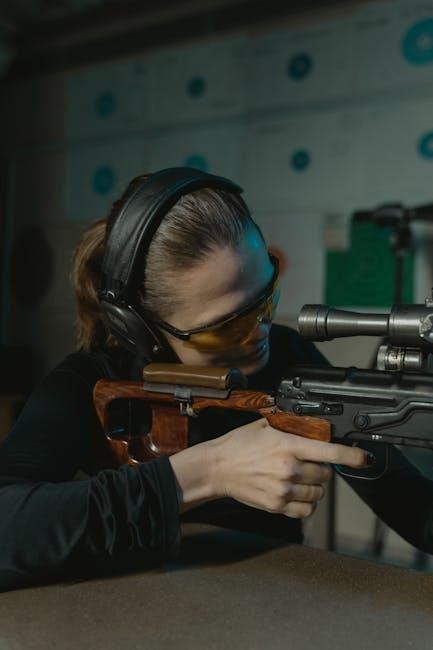
Mastering key regulations is crucial for success on the CFSC/CRFSC exam. Prioritize a thorough understanding of federal firearms legislation, including the Firearms Act and its associated regulations.
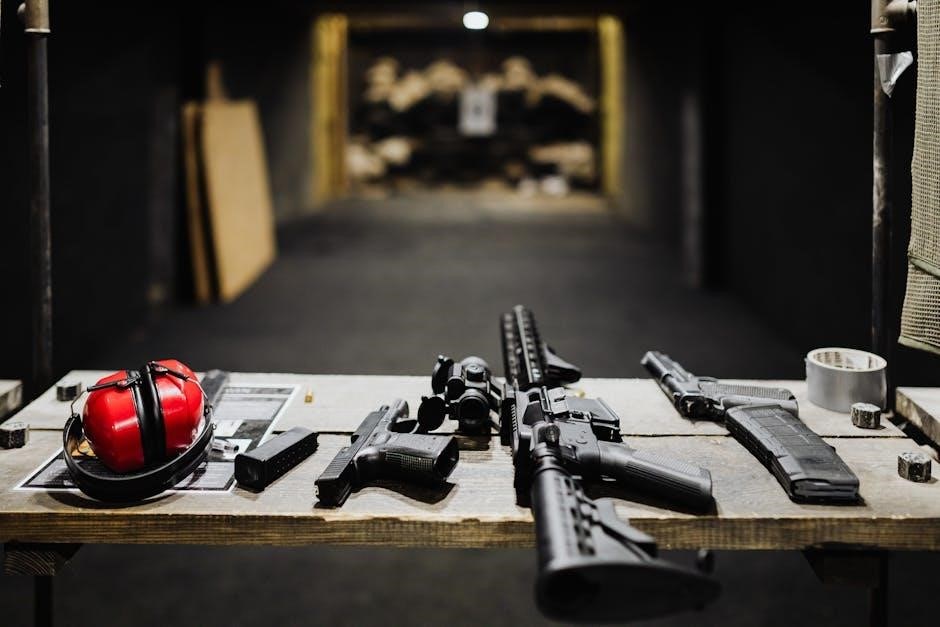
Pay close attention to provincial firearms regulations, as they can vary significantly across Canada. Familiarize yourself with rules concerning transportation, storage, and display specific to your province.
Focus on regulations pertaining to non-restricted and restricted firearms, understanding the differences in requirements for each. Know the prohibited firearms list and associated restrictions.
Understand manufacturer’s specifications and safety guidelines, as firearms operate differently. Ethical hunting regulations and responsible firearms handling are also vital components of the exam content.
Provincial Firearms Regulations
Navigating provincial nuances is essential for Canadian firearms licensing. Regulations concerning firearms storage, transportation, and display often differ significantly between provinces and territories.
For example, some provinces may have stricter requirements for transporting restricted firearms, while others may have specific rules regarding the use of firearms on private property.
Understanding these variations is critical for exam success and legal compliance. Thoroughly research the regulations specific to your province of residence, consulting official government resources.
Pay attention to any updates or changes to provincial firearms laws, as they can occur frequently. Knowing these details demonstrates a commitment to responsible firearms ownership and safe handling practices, vital for passing the CFSC/CRFSC exam.
Federal Firearms Legislation
The foundation of Canadian firearms law rests upon federal legislation, primarily the Firearms Act and its associated regulations. A comprehensive understanding of this framework is paramount for success on the CFSC and CRFSC exams.
Key areas of focus include the classification of firearms – non-restricted, restricted, and prohibited – and the licensing requirements for each category. Familiarize yourself with the definitions of these classifications and the specific rules governing their possession and use.
The Criminal Code also contains provisions related to firearms offences. Knowing these provisions is crucial for understanding the legal consequences of unsafe or illegal firearms handling.
Regularly consult the official website of the Royal Canadian Mounted Police (RCMP) for the most up-to-date information on federal firearms legislation, ensuring your study materials reflect current laws and regulations.
Manufacturer’s Specifications and Safety
Firearm safety extends beyond general regulations and deeply into the specifics of each model. Manufacturers provide crucial information regarding safe operation, maintenance, and potential hazards unique to their products.
The CFSC and CRFSC exams may include questions relating to manufacturer’s specifications, emphasizing the importance of consulting the owner’s manual before handling any firearm. Understanding these details is not merely academic; it’s a matter of life and safety.
Each firearm model features different safety mechanisms, loading procedures, and recommended ammunition types. Ignoring these specifications can lead to accidental discharge or damage to the firearm.
Individuals should always adhere to the manufacturer’s guidelines and contact them directly for clarification on any safety concerns. Prioritize responsible firearm ownership by respecting these crucial instructions.
Hunting Regulations and Ethical Considerations
Responsible firearms ownership extends beyond safe handling and legal compliance, encompassing ethical hunting practices and adherence to provincial regulations. The CFSC exam often assesses knowledge of these crucial aspects.
Provincial hunting regulations vary significantly, dictating permitted species, seasons, bag limits, and acceptable hunting methods. Hunters must be thoroughly familiar with the rules governing their specific hunting area.
Ethical hunting emphasizes fair chase, respect for wildlife, and minimizing suffering. This includes utilizing appropriate caliber firearms for the intended game and ensuring a quick, humane kill.
Practicing responsible hunting also involves proper field dressing, meat care, and respecting private property. Understanding these principles demonstrates a commitment to conservation and responsible firearms use;