
Angels and Archangels: A Magician’s Guide
Delve into the celestial realm! This guide explores angelic evocation, historical contexts, grimoires like Arbatel, and ethical considerations for the aspiring magician.
Angelic magic represents a unique branch of the occult, differing significantly from demonology or spirit work. It centers on establishing communication and collaboration with benevolent celestial entities – angels and archangels – for guidance, healing, and spiritual advancement.
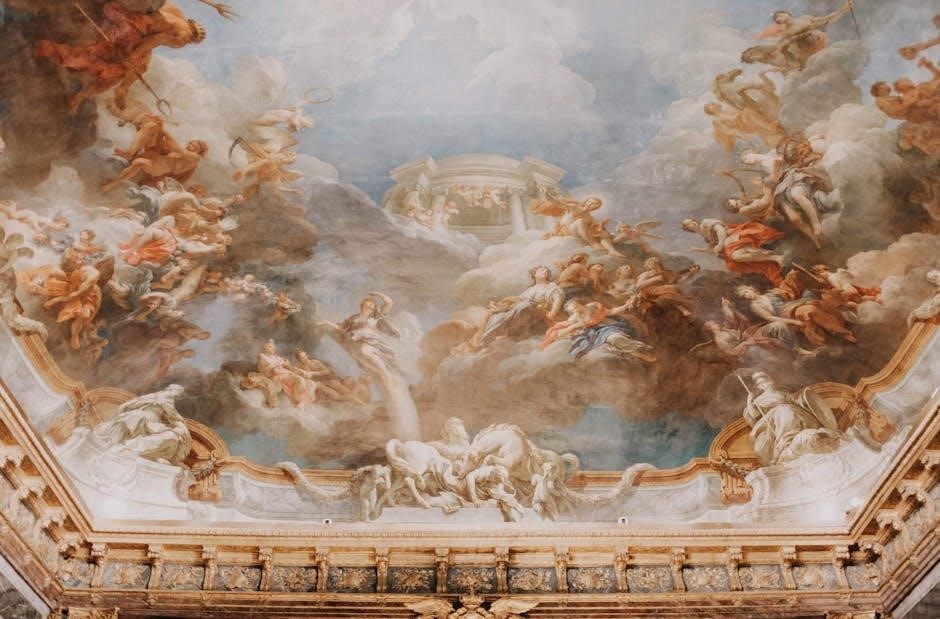
Unlike forceful evocation, angelic work often emphasizes invocation, a respectful request for assistance. This practice draws upon centuries of tradition, documented in grimoires and Kabbalistic texts. The inherent purity associated with angels necessitates a correspondingly pure approach from the magician, demanding rigorous ethical considerations and personal purification.
This path isn’t merely about wielding power; it’s about fostering a harmonious relationship with divine forces, aligning oneself with higher virtues, and ultimately, achieving spiritual enlightenment.
The Historical Context of Angelic Evocation
Angelic evocation’s roots stretch back to ancient Judaism and the Kabbalah, particularly Practical Kabbalah, which focused on utilizing angelic forces. Early Christian and Islamic mystical traditions also incorporated angelic hierarchies and methods of communication.
The Renaissance witnessed a surge in interest, culminating in influential grimoires like the Arbatel de Magia Veterum (1575) and the Magical Treatise of Solomon. These texts detailed specific rituals, sigils, and correspondences for contacting angels.
Even the Grand Grimoire, often associated with darker practices, includes angelic entities. Throughout history, angelic magic has been interwoven with philosophical, religious, and magical currents, evolving into the diverse practice we know today.
Key Grimoires for Angelic Work
Several grimoires serve as foundational texts for angelic magic. The Arbatel de Magia Veterum, published in 1575, provides detailed angelic hierarchies and methods for establishing a magical life aligned with celestial forces. The Magical Treatise of Solomon outlines rituals for contacting specific angels, offering invocations and seals.
The Grand Grimoire, while often linked to demonic evocation, also contains references to angelic entities and their associated powers.
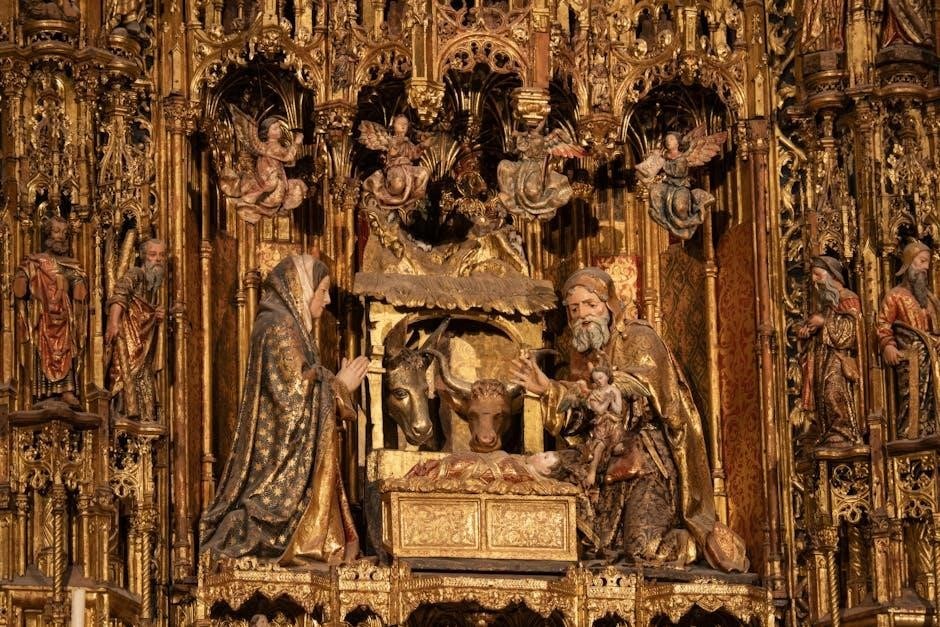
Occulta Philosophia (Book II) further expands upon celestial magic. These texts, though varied in approach, offer invaluable insights into the historical practice of angelic work.
Arbatel de Magia Veterum
The Arbatel, a Renaissance grimoire published in 1575, stands as a cornerstone for angelic magic. Unlike some texts focused on forceful evocation, it emphasizes a harmonious alignment with angelic intelligences. It details the Olympian spirits, closely linked to planetary forces and angelic hierarchies.
The text outlines a path of ethical magical practice, advocating for purification and a virtuous lifestyle to attract angelic contact. It’s known for its section on the “Orders of Angels,” providing detailed descriptions and correspondences.
The Arbatel is a complex work, requiring careful study.
The Magical Treatise of Solomon
The Magical Treatise of Solomon, also known as the Key of Solomon, presents a complex system of ceremonial magic involving angels. While often associated with demonology, significant portions detail angelic invocations and the use of seals for benevolent spirits like Santael.
The grimoire outlines rituals for gaining angelic favor, protection, and knowledge. It emphasizes precise timing, planetary alignments, and the creation of consecrated tools. The text details specific angelic squares and their corresponding invocations.
However, practitioners should approach with respect and caution.
The Grand Grimoire & Associated Entities
The Grand Grimoire, despite its reputation for darker workings, contains sections referencing angelic entities, though often within a framework of control. It details spirits like Satanachia, categorized as a demon, yet linked to angelic hierarchies in some interpretations.
The grimoire’s rituals, focused on commanding spirits, require specific incantations and seals. While primarily known for demonic evocation, some practitioners adapt techniques for angelic contact, emphasizing respectful negotiation rather than domination.

Caution is paramount; the text’s energies are potent and potentially destabilizing.
Understanding the Angelic Hierarchy
Angelic orders are complex and multi-layered. Distinguishing angels from archangels is crucial; archangels often act as leaders or messengers, possessing greater authority and influence. Kabbalistic traditions detail nine angelic choirs, each with specific functions and attributes.
These choirs range from Seraphim, closest to the Divine, to Nephilim, interacting more directly with the material world. Understanding this structure allows for targeted evocation, aligning requests with the appropriate celestial being.
Respect for this hierarchy is fundamental to successful angelic work.
Distinguishing Angels from Archangels
The difference lies in function and authority. Angels generally serve as messengers and executors of divine will, while archangels hold positions of leadership and oversee multiple angelic choirs. Archangels are often associated with broader cosmic principles and planetary spheres.
Grimoires, like the Magical Treatise of Solomon, detail specific archangels and their corresponding seals. Angels are frequently invoked for personal assistance, whereas archangels are approached for larger-scale interventions.
Recognizing this distinction is vital for focused magical practice.
The Seven Archangels and Their Attributes
Traditionally, seven archangels stand as pillars of divine power. Michael embodies strength and protection, Raphael governs healing, and Gabriel delivers messages. Uriel illuminates wisdom, Jophiel inspires beauty, Chamuel fosters loving relationships, and Zadkiel grants mercy.
Each archangel possesses unique seals and planetary correspondences detailed in grimoires like the Arbatel. Understanding these attributes is crucial for targeted evocation.
Working with their energies requires respect and a clear intention aligned with their specific domain.
Preparing for Angelic Contact
Successful angelic work demands meticulous preparation. Begin by creating a sacred space – a dedicated area cleansed and consecrated for spiritual practice. Purification and cleansing rituals are essential, utilizing incense, sound, or ritual bathing to raise the energetic vibration.
Mental and emotional clarity are paramount; meditation and focused intention are key. Protective wards and banishing rituals can establish boundaries.
Ensure a respectful and reverent mindset, approaching angelic contact with humility and genuine purpose.
Creating a Sacred Space
Establishing a dedicated space is fundamental. Choose a quiet location, free from distractions, and physically cleanse it thoroughly. Arrange an altar facing East, symbolizing new beginnings and spiritual illumination.
Decorate with items corresponding to the angelic realm – white cloths, crystals (quartz, amethyst), and symbols of purity.
Consider using angelic imagery or sigils. Light candles and incense (frankincense, myrrh) to create a serene atmosphere. Visualize a protective sphere of light surrounding the area, ensuring energetic containment.
Purification and Cleansing Rituals
Prior to angelic contact, rigorous purification is essential. Begin with a personal cleansing – a ritual bath with salt and herbs like rosemary or lavender. Visualize negative energies dissolving away.
Smudge the sacred space with sage, palo santo, or cedar, directing the smoke into corners and around the altar. Recite a purification prayer or mantra, invoking angelic assistance.
Use consecrated water to sprinkle the area, further dispelling unwanted energies. Ground yourself through meditation, establishing a clear and focused intention for the working.

Methods of Angelic Evocation

Angelic work utilizes both invocation and evocation, differing in approach. Invocation requests the angel’s presence within the magician, fostering a connection. Evocation compels the angel to manifest externally, often requiring a prepared circle and tools.
Rituals based on the Arbatel involve specific hours, planetary correspondences, and the recitation of appropriate verses. Careful preparation of sigils and offerings is crucial.
Remember respectful intent; angels respond to purity of purpose. Visualization and focused will are key to successful manifestation and communication.
Invocation vs. Evocation
Distinguishing between invocation and evocation is fundamental. Invocation is an internal process, drawing the angel’s energy and qualities into the magician’s being for empowerment and guidance. It’s a request for presence and influence, a communion of spirits.
Evocation, conversely, is external. It aims to compel an angel to manifest visibly, often within a designated space like a magic circle. This requires greater control and a more assertive approach, demanding respect and precise ritual execution.

Consider your intent – inner transformation or external assistance – to choose the appropriate method.
Rituals Based on the Arbatel

The Arbatel de Magia Veterum provides detailed ritual frameworks. Central to its approach are the Olympian Spirits, often considered angelic in nature, each associated with specific hours and planetary influences.
Rituals typically involve preparing a suitable space, constructing a triangle of art for manifestation, and reciting specific prayers or invocations detailed within the grimoire. Careful attention to planetary hours and corresponding incense is crucial.
The Arbatel emphasizes a harmonious relationship with the spirits, seeking knowledge and guidance rather than forceful control.
Correspondences for Angelic Magic
Establishing resonant connections is vital in angelic work. Planetary associations link angels to specific celestial bodies, influencing ritual timing and energy. For example, Gabriel often aligns with the Moon, while Michael resonates with the Sun.
Color correspondences amplify intentions; white and gold are generally favored for purity and divine connection. Incense, such as frankincense and myrrh, aids in raising vibrations and creating a sacred atmosphere.
Crystals like amethyst and clear quartz can further enhance angelic communication and focus magical energy.
Planetary Associations
Angelic energies intertwine with planetary forces, creating potent magical links. Each planet governs specific attributes that resonate with certain angels and archangels. Saturn corresponds to boundaries and structure, aligning with angels of discipline.
Jupiter, representing expansion and abundance, connects to angels of prosperity. Mars embodies courage and action, suitable for invoking warrior angels like Michael. Venus fosters love and harmony, ideal for Raphael’s healing energies.
Mercury aids communication, fitting for Gabriel. Understanding these alignments enhances ritual effectiveness.
Colors, Incense, and Crystals
Enhance angelic work through sensory correspondences. Colors vibrate with specific energies; white represents purity, gold divine connection, and blue tranquility. Incense acts as an olfactory bridge, with frankincense for purification and myrrh for spiritual ascent.
Crystals amplify intentions. Clear quartz enhances clarity, amethyst fosters intuition, and rose quartz promotes loving energies. Select hues, scents, and stones aligning with the desired angelic influence.
These tools create a resonant atmosphere, deepening connection and focus during evocation or invocation rituals.
Working with Specific Archangels
Archangels offer specialized assistance. Michael, the warrior, aids in courage and protection, invoked with red and iron. Raphael, the healer, brings restorative energies, resonating with green and citrine. Gabriel, the messenger, facilitates communication and clarity, linked to silver and lavender.
Each Archangel possesses unique attributes and sigils. Focused intention, combined with appropriate correspondences, strengthens the connection. Rituals should honor their specific roles and energies.
Respectful invocation fosters a harmonious working relationship, yielding profound spiritual growth.
Michael: The Warrior Archangel
Archangel Michael embodies divine strength and protection; He is the celestial warrior, battling negativity and injustice. Evocation calls upon his courage, discipline, and leadership qualities. Correspondences include the color red, the metal iron, and the element of fire.
Michael’s sigil serves as a focal point for connection, amplifying intent. Rituals often involve visualization of a radiant warrior, wielding a flaming sword. He assists in overcoming obstacles and establishing boundaries.
Invoke Michael for courage, protection, and righteous action.
Raphael: The Healing Archangel
Archangel Raphael is the celestial healer, restoring balance and well-being on all levels. His energy promotes physical, emotional, and spiritual recovery. Evocation seeks his guidance for health, vitality, and harmonious relationships. Correspondences include the color green, the metal copper, and the element of air.
Raphael’s sigil aids in channeling healing energy, fostering self-love and compassion. Rituals often involve visualization of emerald light, soothing and revitalizing. He assists in releasing blockages and promoting wholeness.
Invoke Raphael for healing, restoration, and divine guidance.
Gabriel: The Messenger Archangel

Archangel Gabriel, the divine messenger, facilitates clear communication and new beginnings. He embodies inspiration, creativity, and the unveiling of truth. Evocation seeks his aid in artistic endeavors, intuitive development, and receiving guidance. Gabriel’s correspondences include the color silver, the metal silver, and the element of water.
His sigil enhances psychic abilities and strengthens connection to the divine. Rituals often involve journaling, meditation, and artistic expression. Gabriel assists in manifesting dreams and aligning with one’s highest purpose.
Invoke Gabriel for clarity, inspiration, and divine communication.
Angel Sigils and Their Use
Angel sigils are potent symbols representing specific angelic energies. Derived from names and attributes, they act as keys to focused evocation. Utilizing sigils enhances connection and facilitates communication. They are not worshipped, but employed as tools for directing intent.
Methods include tracing, gazing, chanting, and incorporating them into talismans. Sigils can be inscribed on candles, amulets, or drawn during ritual. Careful preparation and respectful intent are crucial.
Properly used, sigils amplify angelic influence, aiding in manifestation and spiritual growth. Research each sigil’s specific correspondences before use.
Ethical Considerations in Angelic Magic
Angelic work demands profound respect and ethical awareness. These entities are not servants to be commanded, but powerful beings deserving reverence. Avoid manipulative requests or attempts to control angelic will. Focus on alignment with divine purpose, seeking guidance rather than imposing demands.
Consider the potential consequences of your requests, ensuring they cause no harm to yourself or others. Maintain purity of intent and operate from a place of love and humility.
Prioritize spiritual growth and responsible use of power. Remember, angelic assistance is a gift, not a right.
Advanced Techniques: Angelic Meditation
Angelic meditation transcends simple visualization, fostering direct communion. Begin with purification rituals and a sacred space. Focus on the specific Archangel’s sigil or associated colors, allowing the energy to resonate within.
Employ guided meditations, or develop your own, focusing on receptive listening rather than forceful projection. Seek to understand the Angel’s message, not to dictate terms.
Regular practice deepens connection, unlocking intuitive insights and facilitating profound spiritual transformation. Patience and unwavering devotion are key to successful angelic meditation.

Troubleshooting Common Issues
Challenges arise; preparation is key. Lack of results often stems from insufficient purification or a poorly defined sacred space. Ensure alignment with angelic energies through consistent ethical practice.
If experiencing unsettling energies, reinforce protective wards and refocus intent on benevolent forces. Dismissal rituals are crucial for severing unwanted connections.
Persistent mental distractions indicate a need for deeper meditative practice. Remember, angelic communication is subtle; cultivate inner stillness and trust your intuition.
Resources for Further Study
Expand your knowledge! Explore foundational texts like the Arbatel de Magia Veterum and the Magical Treatise of Solomon for historical context. Damien Echols’ work offers modern perspectives on magical practice.
Investigate Kabbalistic teachings, specifically Practical Kabbalah, for deeper understanding of angelic hierarchies. Online forums and communities dedicated to ceremonial magic can provide valuable insights.
Remember to critically evaluate sources and prioritize ethical considerations. Continuous learning and diligent practice are essential for mastery in angelic magic.