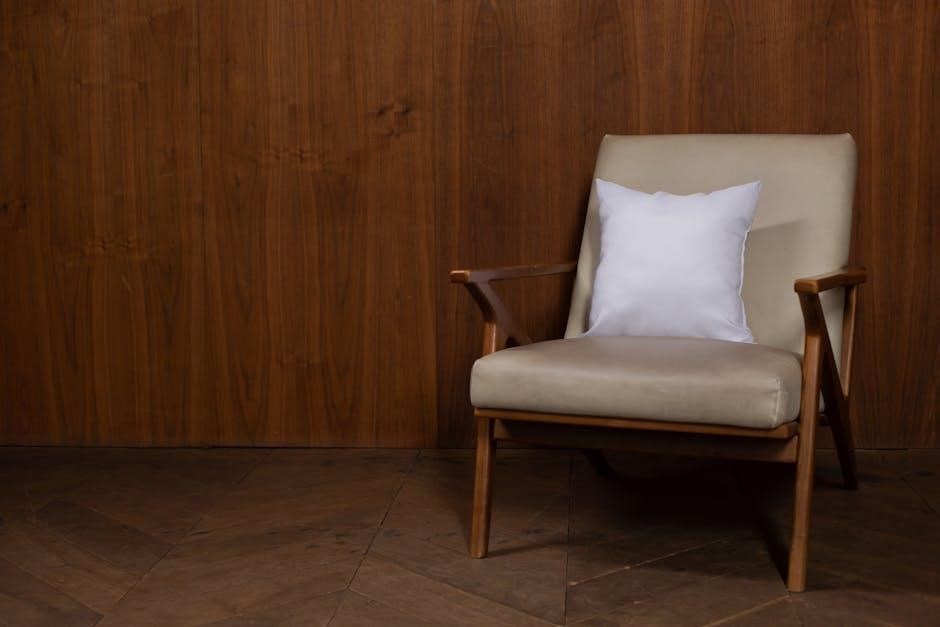
Throw Pillow Size Guide: A Comprehensive Overview (Updated 04/09/2026)
Today‚ April 9th‚ 2026‚ understanding throw pillow sizing is key to interior design success! Common sizes range from 16×16 to 24×24 inches‚ offering versatile options.
Understanding Standard Throw Pillow Sizes
Standard throw pillow sizes are the foundation of comfortable and stylish home décor. The most frequently encountered dimensions include 16×16‚ 18×18‚ 20×20‚ 22×22‚ and 24×24 inches. These sizes provide a balanced aesthetic and work well across various seating arrangements.
However‚ achieving the perfect “full” look often involves considering the interplay between the pillow cover and the insert. Many decorators intentionally choose covers slightly smaller than the insert to create a plump‚ luxurious appearance. Conversely‚ matching sizes are perfectly acceptable‚ especially with already full and hefty inserts.
Ultimately‚ the ideal standard size depends on your personal preference and the desired level of firmness. Don’t be afraid to experiment! A slightly tighter fit can result in a firmer pillow‚ while a looser fit allows for a softer‚ more relaxed feel. Remember to measure twice and cut once when crafting DIY covers!
Common Throw Pillow Dimensions
The most popular throw pillow dimensions offer a broad range of styling possibilities. A 16×16 inch pillow is excellent for accenting chairs or layering with larger sizes on sofas. The 18×18 inch size is incredibly versatile‚ working well in almost any setting and is a frequently chosen option.
Stepping up to 20×20 inches provides a more substantial presence‚ ideal for standard sofas. For larger sectionals or beds‚ 22×22 and 24×24 inch pillows make a statement. Remember that choosing a slightly smaller cover can enhance fullness‚ but a matching size is equally valid.
Consider the overall scale of your furniture when selecting dimensions. Don’t hesitate to mix and match sizes for a dynamic look. JoAnn Fabrics offers a wide selection of pillow forms in these common sizes‚ making it easy to find the perfect fit for your DIY projects or ready-made covers.
16×16 Inch Throw Pillows
Sixteen by sixteen inch throw pillows are a fantastic choice for adding subtle accents to your décor. Their smaller size makes them perfect for accent chairs‚ benches‚ or layering in front of larger pillows on a sofa. They don’t overwhelm the space‚ offering a delicate touch of color and texture.
These pillows are particularly useful when you want to introduce a pattern without making it the dominant feature. They work beautifully in bedrooms‚ living rooms‚ and even nurseries. When using a 16×16 inch cover‚ consider a slightly smaller insert for a fuller‚ more plush appearance‚ though a matching size works well too.
DIY enthusiasts will find 16×16 inch covers easy to work with‚ especially when using fabrics from retailers like JoAnn Fabrics. Remember to measure twice and cut once for a professional finish! These pillows are a versatile and affordable way to refresh any room.
18×18 Inch Throw Pillows
Eighteen by eighteen inch throw pillows represent a sweet spot in sizing‚ offering versatility and visual impact. They’re a popular choice for sofas‚ armchairs‚ and even beds‚ providing comfortable support and a stylish aesthetic. These pillows are large enough to make a statement but not so overwhelming that they dominate the space.
Many find that an 18×18 inch cover paired with an insert of the same size creates a nicely plump cushion‚ especially if the insert is of good quality. However‚ experimenting with a slightly smaller insert can yield a fuller‚ more decorative look. If you plan on doing the “chop” style‚ avoid a too-tight fit.
For DIY projects‚ consider using canvas and referencing standard pillow forms available at stores like JoAnn Fabrics to ensure a perfect fit. Remember careful measurement is crucial for a polished result. These pillows are a classic choice for any room!
20×20 Inch Throw Pillows
Twenty by twenty inch throw pillows are a fantastic option for adding a substantial decorative element to your living space. They work exceptionally well when paired with smaller pillows‚ creating a layered and visually appealing arrangement. These pillows offer a comfortable size for both leaning against and purely aesthetic purposes.
Interestingly‚ some individuals intentionally create pillow covers slightly smaller than the insert – for example‚ a 20-inch cover for a 22-inch pillow – to achieve a firmer‚ puffier look. This technique adds extra fluff‚ which can be desirable for decorative pillows. However‚ a matching insert and cover size is equally common and provides a balanced feel.
When crafting DIY covers‚ utilizing resources like JoAnn Fabrics for standard pillow form measurements is highly recommended. Precise cutting and zigzagging the canvas edges before sewing will ensure a professional finish.
22×22 Inch Throw Pillows
Twenty-two by twenty-two inch throw pillows represent a sweet spot in sizing‚ offering ample presence without overwhelming a seating arrangement. They’re particularly effective when you desire a more substantial visual impact than smaller pillows provide‚ yet don’t want the bulk of larger 24×24 options.
A common practice is to pair these pillows with a mix of sizes‚ creating depth and interest. If you’re aiming for a fuller appearance‚ consider using a slightly smaller cover – a 20-inch cover for a 22-inch insert – though this will also reduce the overall cushion size. Conversely‚ a perfectly matched insert and cover will offer a balanced feel.
For DIY enthusiasts‚ referencing standard pillow forms at stores like JoAnn Fabrics is invaluable. Remember the golden rule: measure twice‚ cut once‚ and don’t be afraid to experiment with firmness!
24×24 Inch Throw Pillows
Twenty-four by twenty-four inch throw pillows are statement pieces‚ best suited for larger sofas or sectionals where they won’t appear disproportionately large. These pillows command attention and are excellent for establishing a luxurious and inviting atmosphere within a living space.
When selecting an insert for a 24×24 cover‚ consider the desired level of fullness. A hefty‚ full insert is crucial to properly fill a cover of this size‚ especially if you prefer a plump‚ “chopped” look. Experimenting with slightly undersized covers can create a firmer‚ puffier aesthetic‚ which some designers intentionally employ.
DIYers should utilize resources like JoAnn Fabrics to gauge standard pillow form sizes and adjust canvas measurements accordingly. Precise cutting and zigzagging edges ensure a professional finish. Don’t underestimate the impact of a well-proportioned pillow!
Beyond the Basics: Less Common Sizes
Venturing beyond the standard sizes – 16×16‚ 18×18‚ 20×20‚ and 22×22 inches – opens up unique styling possibilities. Less common dimensions like 14×14‚ 12×12‚ and 26×26 inches offer opportunities to add visual interest and personalized touches to your décor.
A 14×14 inch pillow can serve as a charming accent‚ while a 12×12 inch option is ideal for smaller chairs or as part of a layered arrangement. Conversely‚ a 26×26 inch pillow makes a bold statement‚ best utilized on expansive seating.
When working with these less conventional sizes‚ remember that insert selection is paramount. A visit to fabric stores like JoAnn can help determine appropriate pillow forms. Don’t be afraid to experiment with cover and insert pairings to achieve the desired firmness and fullness!
14×14 Inch Throw Pillows

The 14×14 inch throw pillow is a delightful choice for adding subtle accents to your living space. Often overlooked‚ this smaller size is incredibly versatile and works beautifully in a variety of settings. They’re perfect for accenting chairs‚ smaller sofas‚ or layering within a larger arrangement of pillows.
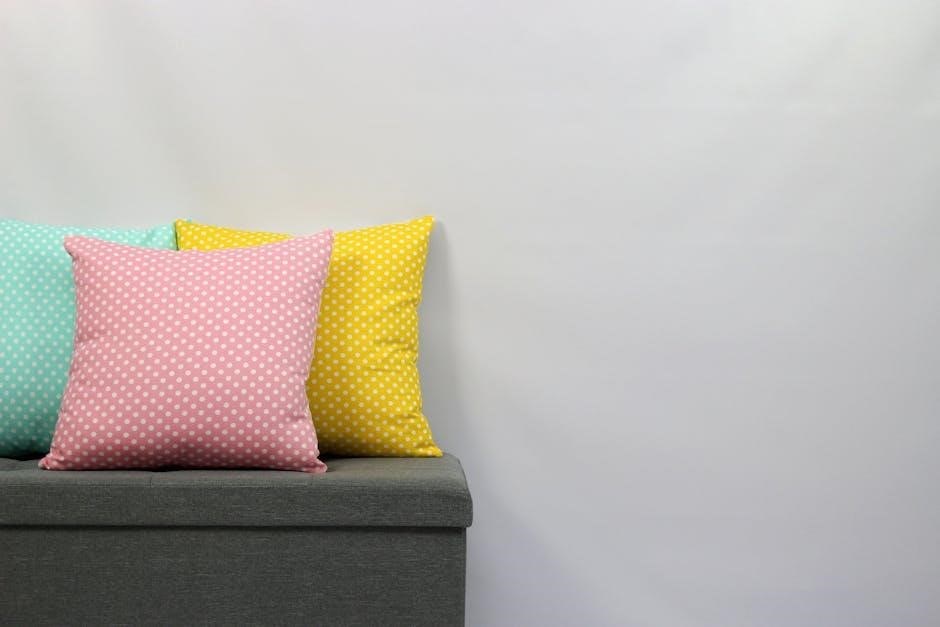
Consider using 14×14 pillows to introduce a pop of color or pattern without overwhelming the overall aesthetic. Because of their size‚ they’re also excellent for adding texture. When creating a custom cover‚ remember that making it slightly smaller than the insert can create a firmer‚ puffier look – a desirable effect for decorative pillows.
JoAnn Fabrics offers a range of pillow forms in this size‚ providing a convenient starting point for DIY projects. Remember the mantra: measure twice‚ cut once‚ for a perfect fit!
12×12 Inch Throw Pillows
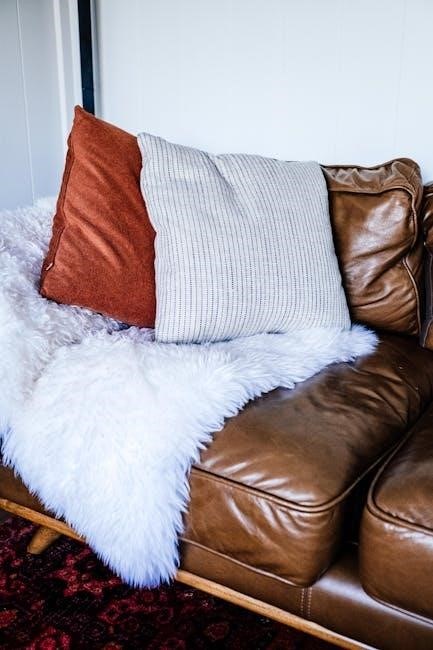
The 12×12 inch throw pillow represents a truly petite accent option‚ ideal for adding delicate touches to your décor. These smaller pillows are best suited for very specific applications‚ such as children’s rooms‚ accenting narrow benches‚ or as part of a layered display on a larger sofa or bed.
Due to their diminutive size‚ 12×12 pillows excel at introducing intricate patterns or textures without visual clutter. They can also be used effectively in pairs to create symmetry. If you’re crafting a custom cover‚ experimenting with slightly undersized covers can yield a firmer‚ more sculpted appearance – perfect for a decorative touch.
For DIY enthusiasts‚ resources like JoAnn Fabrics provide readily available pillow forms in this size‚ simplifying the creation process. Always prioritize accurate measurements and careful cutting for optimal results.
26×26 Inch Throw Pillows
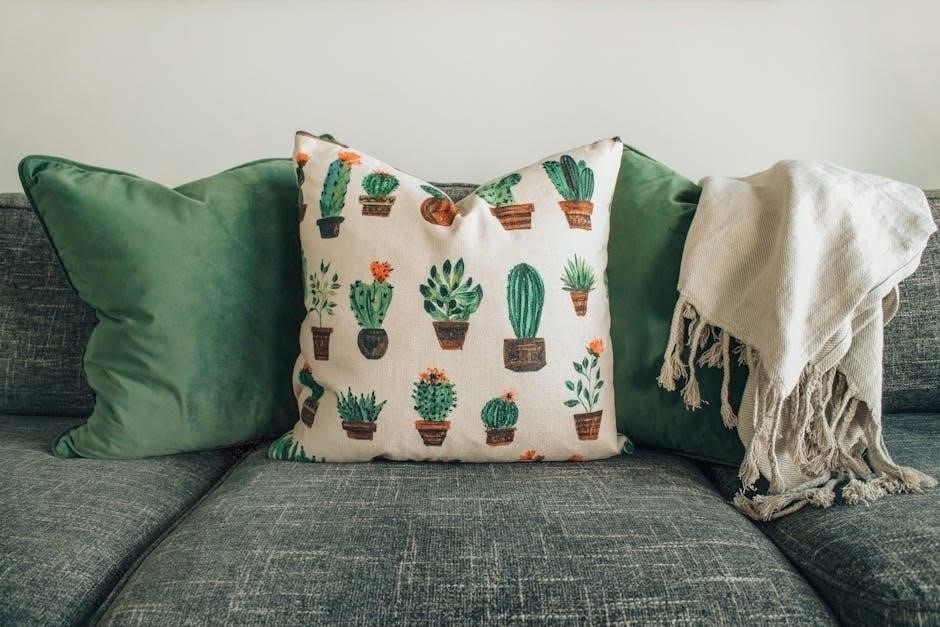
The 26×26 inch throw pillow is a statement piece‚ leaning towards oversized comfort and visual impact. These larger pillows are fantastic for creating a relaxed‚ inviting atmosphere‚ particularly on deep-seated sofas or expansive daybeds. They aren’t as universally common as standard sizes‚ but offer a unique design opportunity.
When utilizing 26×26 pillows‚ consider the fullness of your insert. A hefty‚ well-filled cushion is crucial to prevent a saggy appearance. Some designers intentionally use slightly smaller covers (around 22×22) with a 26×26 insert to achieve a firmer‚ puffier look. This is a great technique for adding extra dimension.
DIY projects benefit from referencing standard pillow forms at stores like JoAnn Fabrics to determine appropriate canvas dimensions. Remember the mantra: measure twice‚ cut once! These larger pillows truly elevate a space.
Choosing the Right Size for Your Space
Selecting the ideal throw pillow size hinges on harmonizing with your furniture’s dimensions. A crucial aspect is proportionality; avoid overwhelming smaller chairs or dwarfing larger sofas. Consider the overall aesthetic you’re aiming for – a more formal look benefits from consistent sizing‚ while a relaxed vibe welcomes varied dimensions.
For sofas‚ a combination of sizes often works best. Layering 20×20‚ 18×18‚ and even a 26×26 inch pillow can create visual interest. With chairs‚ smaller sizes like 16×16 or 18×18 are generally more appropriate‚ preventing the pillow from dominating the space.
Don’t be afraid to experiment! Visualizing the arrangement beforehand can help. Remember‚ the goal is to enhance comfort and style‚ not to create imbalance. Careful consideration of scale is paramount.
Throw Pillow Size and Sofa Dimensions
When pairing throw pillows with sofas‚ size truly matters. For a standard 88-inch sofa‚ a mix of three 20×20 inch pillows and two 18×18 inch pillows creates a balanced look. Larger sectional sofas benefit from even more substantial arrangements‚ potentially incorporating a 24×24 inch pillow for a focal point.
Smaller sofas (around 72 inches) are best suited to two 20×20 inch pillows or a combination of one 20×20 and one 18×18 inch pillow. Avoid overcrowding; the pillows should complement‚ not consume‚ the seating area;
Consider the sofa’s height. Lower-profile sofas can handle larger pillows without appearing disproportionate. Experiment with layering – placing larger pillows in the back and smaller ones in front adds depth and visual appeal. Remember‚ a cohesive look is achieved through thoughtful scaling.
Throw Pillow Size and Chair Dimensions
Selecting throw pillow sizes for chairs requires a slightly different approach than sofas. For a standard armchair‚ one 18×18 inch pillow or a pair of 16×16 inch pillows generally provides adequate comfort and style. Larger‚ oversized chairs can accommodate a 20×20 inch pillow‚ or even a 22×22 inch pillow for a more luxurious feel.
Wingback chairs often look best with a single‚ substantial pillow – a 20×20 or 22×22 inch size – to fill the space within the wings. Smaller accent chairs may only need a single 16×16 inch pillow for a touch of color and texture.
Consider the chair’s arm height. Pillows shouldn’t obstruct comfortable arm placement. Proportion is key; avoid overwhelming the chair with excessively large pillows. A well-chosen pillow enhances the chair’s aesthetic without compromising functionality.
The Impact of Pillow Insert Size
The relationship between pillow cover and insert size significantly impacts the final look and feel. Many designers suggest using inserts slightly smaller than the cover (1-2 inches smaller on each side) to achieve a fuller‚ more luxurious appearance. This creates a plump‚ inviting shape‚ especially beneficial for achieving the popular “pillow chop” style.
However‚ matching insert and cover sizes is perfectly acceptable‚ particularly with already plump inserts. This provides a cleaner‚ more structured look. If you prefer a firmer pillow‚ or are using a thinner insert‚ consider a cover slightly larger than the insert to compensate.
Ultimately‚ the ideal insert size depends on your desired firmness and aesthetic. Experimenting with different combinations allows you to customize the pillow’s feel and appearance to perfectly suit your space.
Slightly Smaller Covers for a Fuller Look

Opting for a pillow cover marginally smaller than the insert – typically reducing the overall size by a few inches – is a widely practiced technique for achieving a luxuriously full appearance. This method effectively “overstuffs” the cover‚ creating a plumpness that enhances the pillow’s visual appeal and invites a cozy feel.
This approach is particularly effective when aiming for the popular “pillow chop” style‚ as the extra fill provides the necessary structure to maintain the indented shape. However‚ be mindful that reducing the cover size does diminish the overall dimensions of the pillow‚ so consider this when planning your arrangement.
It’s a subtle adjustment that yields significant results‚ transforming a standard pillow into a statement piece. This technique is favored for decorative pillows where a softer‚ more inviting aesthetic is desired.
Matching Insert and Cover Sizes
Choosing a pillow insert and cover of identical dimensions represents a straightforward and reliable approach to throw pillow selection. This method ensures a balanced fill‚ avoiding the extremes of overstuffing or a slack‚ unformed appearance. It’s a particularly suitable choice when a clean‚ defined pillow shape is preferred‚ rather than a deliberately plush aesthetic.
This pairing works exceptionally well with plump‚ well-filled cushions‚ allowing them to comfortably fill the cover without appearing overly tight or restricted. It also provides ample support for the “pillow chop” technique‚ offering enough give for indentation without collapsing entirely.
For those prioritizing simplicity and ease‚ matching sizes eliminate guesswork and deliver a consistently satisfying result. It’s a dependable option for a variety of decorative styles and pillow fabrics.
Adjusting Cover Size for Desired Firmness
Strategically altering the cover size relative to the insert allows for precise control over the pillow’s final firmness and appearance. Utilizing a slightly smaller cover than the insert creates a fuller‚ more puffed-up look‚ ideal for decorative pillows where a substantial presence is desired. This technique effectively compresses the fill‚ resulting in a firmer feel.
Conversely‚ a larger cover will yield a softer‚ more relaxed pillow. This approach is beneficial for those who prefer a less structured aesthetic or desire a more sink-in comfortable feel. However‚ be mindful that excessively large covers can lead to a floppy‚ undefined shape.
Experimentation is key; making a cover intentionally smaller – for example‚ 18 inches for a 22-inch pillow – can dramatically alter the pillow’s character. Consider the fabric’s stretch and the desired level of support when making adjustments.
DIY Pillow Cover Sizing Considerations
Embarking on a DIY pillow cover project requires careful consideration of sizing to achieve a professional finish. A valuable resource for standard sizing is JoAnn Fabrics‚ offering a wide selection of pillow forms in various dimensions and price points. Utilizing their forms as a benchmark simplifies the process‚ ensuring compatibility and a well-proportioned result.
When working with canvas‚ precise measurement and cutting are paramount. Before cutting‚ zigzagging around the edge of the canvas provides a clean‚ finished edge and prevents fraying. Remember the golden rule: measure twice‚ cut once! This meticulous approach minimizes errors and maximizes the aesthetic appeal of your handmade covers.
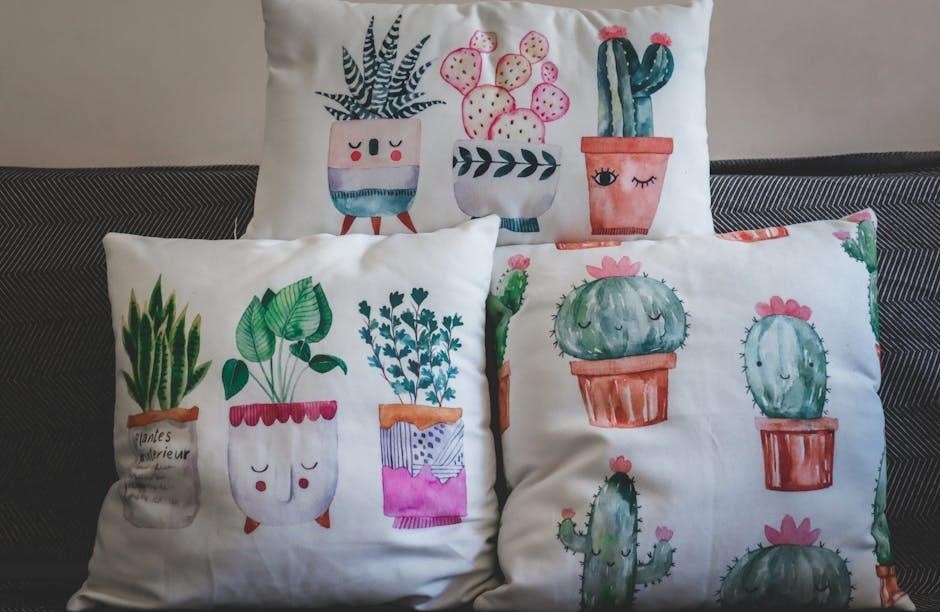
Account for seam allowances when calculating fabric dimensions. A standard seam allowance of ½ inch on all sides is recommended for a secure and durable construction.
Using JoAnn Fabrics as a Reference
JoAnn Fabrics emerges as an invaluable resource for DIY enthusiasts navigating the world of pillow cover sizing. Their extensive inventory of standard pillow forms provides a tangible reference point‚ eliminating guesswork and ensuring accurate measurements. Visiting a local JoAnn store allows for a hands-on assessment of various sizes and fills‚ aiding in informed decision-making.
The diverse price points at JoAnn cater to a range of budgets‚ making quality pillow forms accessible to all. Observing their offerings reveals common dimensions‚ reinforcing the standard sizes discussed previously – 16×16‚ 18×18‚ 20×20‚ and beyond.
Leveraging JoAnn’s selection streamlines the process of matching cover size to insert size. By directly comparing fabric dimensions to available forms‚ you can confidently create covers that achieve the desired fullness and aesthetic. Don’t hesitate to ask store associates for guidance!
Measuring and Cutting Canvas for Pillow Covers
Precise measurement is paramount when crafting canvas pillow covers. Begin by determining your desired finished pillow size – for example‚ 18×18 inches. Add seam allowances‚ typically ½ inch on all sides‚ resulting in a cut size of 19×19 inches. Remember the mantra: measure twice‚ cut once!
To prevent fraying and ensure clean edges‚ consider zigzagging around the perimeter of the canvas before cutting. This creates a reinforced edge‚ minimizing unraveling during sewing. A zigzag stitch adds durability and a professional finish.

Canvas‚ being a robust fabric‚ requires sharp scissors or a rotary cutter for clean‚ accurate cuts. Lay the canvas flat on a cutting mat and utilize a ruler to guide your cuts. Accuracy at this stage directly impacts the final pillow’s appearance and shape;
Styling with Throw Pillows: Avoiding Matching Shams
Embrace visual interest! Matching shams can often appear monotonous and lack personality. A more dynamic approach involves intentionally not coordinating shams with your bedding or throw pillows. This creates a layered‚ curated look that feels more inviting and less contrived.
Consider pillowcases as an alternative to shams. Pillowcases offer a softer‚ more relaxed aesthetic and provide an easy way to introduce different textures and patterns. They’re also simpler to change seasonally‚ allowing for quick style updates.
If you admire a particular aesthetic‚ like a textured quilt‚ complement it with crisp‚ plain white pillowcases or shams. This contrast highlights the quilt’s detail without visual competition. Don’t be afraid to break the “rules” and prioritize a look you genuinely enjoy!
The Appeal of Non-Matching Shams
Rejecting uniformity is a cornerstone of modern interior design‚ and this extends to shams. The appeal of non-matching shams lies in their ability to inject personality and prevent a bedroom from feeling too “matchy-matchy” or staged. A deliberately mismatched set communicates a relaxed‚ lived-in vibe.
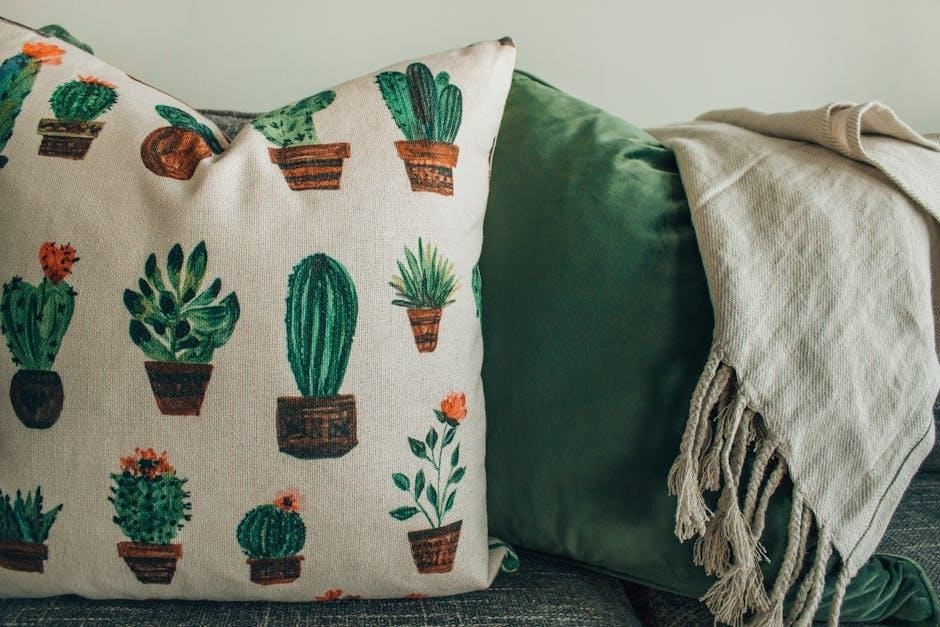
Visual texture and depth are significantly enhanced when shams differ in color‚ pattern‚ or fabric. This creates a more engaging and sophisticated aesthetic. It allows individual elements to shine‚ rather than blending into a homogenous whole.
Don’t hesitate to experiment! A quilt with a strong texture looks fantastic paired with simple‚ crisp white shams‚ offering a beautiful contrast. Ultimately‚ the goal is to create a space that reflects your personal style‚ and non-matching shams are a fantastic way to achieve that.
Using Pillowcases Instead of Shams
Pillowcases offer a casual alternative to traditional shams‚ providing a softer‚ more approachable look for your bedding. They’re particularly well-suited for bedrooms aiming for a relaxed and comfortable atmosphere‚ eschewing formality.
Simplicity and ease of care are key benefits. Pillowcases are generally easier to remove and wash than shams‚ making them a practical choice for everyday use. This is especially appealing for those who frequently change their bedding.

Versatility in style is another advantage. Pillowcases come in a vast array of colors‚ patterns‚ and fabrics‚ allowing you to easily update your bedroom’s aesthetic. They can be mixed and matched with shams for a layered look‚ or used exclusively for a streamlined style. Don’t feel obligated to adhere to matching sets!