Appleton Farms Boneless Spiral Ham: A Comprehensive Cooking Guide
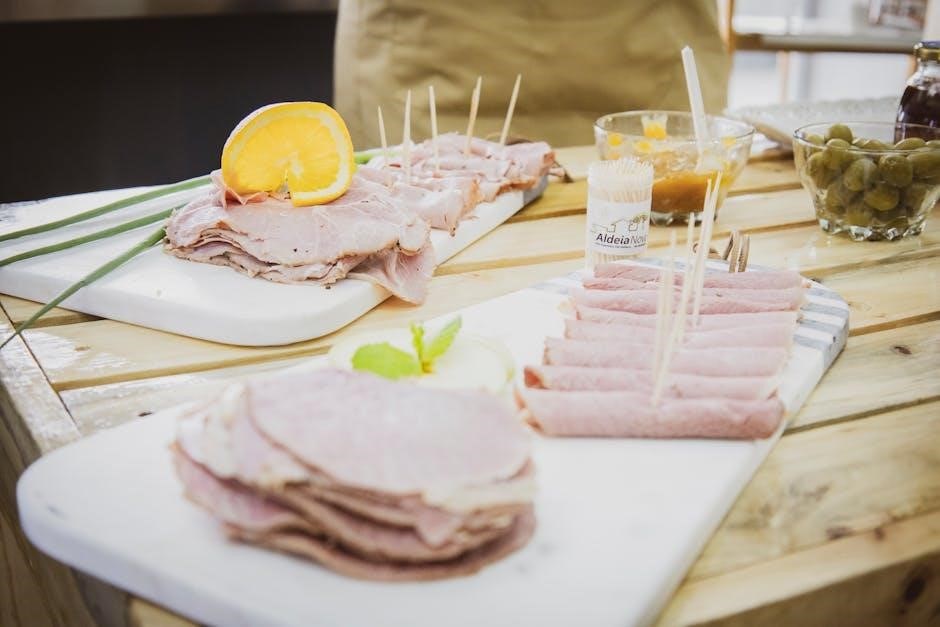
Appleton Farms Hickory Smoked Boneless Spiral Sliced Ham is a popular choice, especially for Easter, and is conveniently fully cooked for easy preparation!
Understanding Your Appleton Farms Ham

Appleton Farms Boneless Spiral Ham offers a convenient and flavorful centerpiece for any meal. This particular ham is pre-cooked, meaning it doesn’t require extensive cooking time – primarily, you’re focusing on reheating it to a safe and enjoyable temperature. It arrives fully cooked and often includes a glaze packet for added sweetness and visual appeal.
The spiral slicing is a key feature, allowing the glaze to penetrate deeply between each slice, maximizing flavor. However, some users have noted that the spiral slicing isn’t always perfectly executed, and the ham can be somewhat fatty, though this is typical for many ham varieties. Understanding these characteristics will help you achieve the best results when preparing your Appleton Farms ham. Remember, it’s designed for ease and enjoyment!
Fully Cooked vs. Uncooked Hams
Understanding the difference between fully cooked and uncooked hams is crucial for safe food handling. Appleton Farms Boneless Spiral Ham is a fully cooked product, meaning it has already been heated to a temperature sufficient to kill any harmful bacteria. This significantly reduces the cooking time required, shifting the focus from cooking to safety through reheating.
Uncooked hams, conversely, require a substantial cooking time to reach a safe internal temperature. They must be cooked thoroughly to eliminate the risk of foodborne illness. Because your Appleton Farms ham is pre-cooked, you’re essentially warming it through and enhancing its flavor with a glaze. This convenience makes it an ideal choice for holidays or gatherings where time is limited, ensuring a delicious and safe meal for your guests.
Ham Weight and Estimated Cooking Time
Determining the appropriate cooking time for your Appleton Farms Boneless Spiral Ham is directly related to its weight. As a general guideline, plan for approximately 10-12 minutes per pound of ham when reheating in the oven. This timeframe allows the ham to warm through evenly without drying out. However, always prioritize using a meat thermometer to confirm it reaches a safe internal temperature.
For example, a 7-pound ham would require roughly 70-84 minutes of cooking time. Remember this is an estimate; variations in oven temperature and starting ham temperature can affect the actual time needed. Consistent temperature monitoring is key. Don’t rely solely on time; a thermometer provides the most accurate indication of doneness and ensures a safe and flavorful result.
Oven Heating Instructions
Appleton Farms ham is easily heated in the oven! Begin by preheating to a suitable temperature, then calculate the cooking time based on the ham’s weight;
Preheating the Oven
Before beginning the heating process for your Appleton Farms Boneless Spiral Ham, proper oven preheating is crucial for even cooking and optimal results. A consistent temperature ensures the ham heats through thoroughly, preventing any cold spots and guaranteeing a delicious, safe-to-eat product.
Generally, preheat your oven to 325°F (160°C). This moderate temperature allows the ham to warm gently without drying out. Ensure your oven rack is positioned in the center for consistent heat distribution. Allow sufficient time for the oven to reach the set temperature – typically around 15-20 minutes – before placing the ham inside.
Using an oven thermometer is highly recommended to verify the accuracy of your oven’s temperature setting. Variations can occur, and a precise temperature is key to following the recommended cooking guidelines. A well-preheated oven is the first step towards a perfectly heated Appleton Farms ham!
Calculating Cooking Time (10-12 Minutes Per Pound)
Determining the correct cooking time for your Appleton Farms Boneless Spiral Ham is straightforward, as it’s already fully cooked – you’re simply reheating it to a palatable temperature. A general guideline is to calculate 10-12 minutes per pound of ham. This ensures the ham is heated through without becoming dry or overcooked.
Begin by accurately weighing your ham to determine its total weight in pounds. Then, multiply that weight by 10 or 12 to estimate the total heating time. For example, a 7-pound ham would require approximately 70-84 minutes in the oven.
Remember this is an estimate; always prioritize using a meat thermometer to confirm the internal temperature reaches the safe range of 140°F ౼ 160°F. This method provides a reliable starting point, but the thermometer is the ultimate indicator of doneness for your Appleton Farms ham!
Temperature Monitoring – The Importance of a Thermometer
Using a thermometer is absolutely crucial when reheating your Appleton Farms Boneless Spiral Ham. Relying solely on time can lead to undercooking or, more commonly, overcooking and drying out this delicious ham. A meat thermometer guarantees a perfectly heated and safe-to-eat result.
Insert the thermometer into the thickest part of the ham, avoiding the bone if present (though this ham is boneless!). For a spiral-sliced ham, ensure the thermometer doesn’t touch a slice, aiming for the center of the meat.
Consistent temperature monitoring prevents both foodborne illness and a disappointing texture. Remember, the target internal temperature is 140°F ౼ 160°F. Remove the ham immediately upon reaching this range, as the temperature will continue to rise slightly during the resting period.
Target Internal Temperature: 140°F ⎯ 160°F
Achieving the correct internal temperature is paramount for a safe and enjoyable Appleton Farms Boneless Spiral Ham. While the ham is pre-cooked, reheating to a minimum internal temperature of 140°F ensures it’s heated through and safe for consumption. However, for optimal flavor and texture, aiming for 160°F is recommended.
This temperature range guarantees the ham is thoroughly warmed without becoming dry or losing its delicious smoky flavor. Remember, carryover cooking will continue to raise the temperature slightly after removal from the oven, so avoid overcooking.
Consistent monitoring with a reliable meat thermometer is key. If the ham hasn’t reached 140°F, return it to the oven for an additional 5-10 minutes and recheck. A slight pink tinge is acceptable, but prioritize reaching the safe temperature.
Checking Temperature in Multiple Spots
To ensure your Appleton Farms Boneless Spiral Ham is evenly heated, don’t rely on a single temperature reading. Due to the ham’s shape and potential for uneven oven heating, it’s crucial to check the internal temperature in several locations.
Insert your meat thermometer into the thickest part of the ham, avoiding bone contact if any remains. Take readings from the center, as well as near the edges and thinner slices. This provides a more accurate representation of the overall internal temperature.
Variations in temperature are normal, but all readings should fall within the target range of 140°F ⎯ 160°F. Double-checking in multiple spots guarantees consistent heating and a safe, delicious final product. This practice prevents undercooked areas and ensures everyone enjoys a perfectly warmed ham.

Glazing Your Ham
Appleton Farms ham comes with a ready-to-use glaze! Wait until the last 20 minutes of cooking, then brush it between each slice for optimal flavor.
When to Apply the Glaze (Last 20 Minutes)
Timing is crucial when it comes to glazing your Appleton Farms boneless spiral ham. Applying the glaze too early can result in burning or a sticky, overly caramelized exterior before the ham is fully heated through. To achieve the perfect balance of flavor and appearance, wait until the last 20 minutes of the recommended cooking time.
This allows the glaze to warm and become beautifully sticky and flavorful without scorching. The sugars in the glaze need heat to caramelize, but prolonged exposure to high temperatures will lead to undesirable results. Remember to consistently baste the ham with the glaze during these final minutes, ensuring even coverage and a glistening finish. This final touch elevates the ham from simply cooked to a truly show-stopping centerpiece!
Glaze Application Technique (Between Slices)
To maximize glaze penetration and flavor, a specific application technique is recommended for your Appleton Farms boneless spiral ham. Instead of simply brushing the glaze over the surface, carefully work it between each slice of the spiral cut. This ensures the glaze reaches more of the ham, infusing it with sweetness and enhancing the overall taste experience.
Use a brush or spoon to gently lift each slice and drizzle or spread the glaze underneath. This method creates a more even distribution and prevents the glaze from pooling on top. Consistent application between slices results in a beautifully glazed ham that is flavorful throughout, not just on the exterior. Don’t be afraid to be generous – the goal is a luscious, sticky coating!
Alternative Cooking Methods
Beyond oven heating, Appleton Farms ham offers versatility! Enjoy a convenient slow cooker method for moist, flavorful results, or even grill it for a smoky twist.
Slow Cooker Method
For a wonderfully convenient and flavorful approach, consider utilizing your slow cooker to prepare your Appleton Farms boneless spiral ham. This method excels at maintaining moisture, resulting in a tender and succulent final product. Begin by placing the ham directly into the slow cooker.
To prevent dryness during the extended cooking process, it’s crucial to add some liquid to the bottom of the cooker. Excellent choices include water, apple juice, or even pineapple juice, complementing the ham’s natural sweetness.
Cover the slow cooker and set it to low heat. Allow the ham to cook for approximately 6-8 hours, or until it reaches your desired internal temperature. Regularly check the temperature with a meat thermometer to ensure it’s heated through. This method is ideal for busy schedules, delivering a delicious ham with minimal effort!
Cooking Time in Slow Cooker (6-8 Hours on Low)
When employing the slow cooker method for your Appleton Farms boneless spiral ham, patience is key to achieving optimal results. The recommended cooking time is approximately 6-8 hours on the low setting. This extended, gentle heat allows the ham to become incredibly tender and infused with flavor from any added liquids.
However, remember that slow cookers can vary in temperature, so consistent monitoring is essential. Begin checking the internal temperature after 6 hours, using a reliable meat thermometer. The goal is to reach a safe and palatable internal temperature, ensuring a thoroughly heated ham.
Avoid the temptation to increase the heat to speed up the process, as this can lead to a dry and less flavorful outcome. Low and slow is the mantra for slow cooker success!
Adding Liquid to Maintain Moisture
Maintaining adequate moisture is crucial when slow cooking your Appleton Farms boneless spiral ham. Because the ham is already fully cooked, the primary goal is to prevent it from drying out during the extended cooking process. Adding liquid to the slow cooker creates a humid environment, ensuring a juicy and flavorful result.
Excellent liquid choices include water, apple juice, pineapple juice, or even ginger ale. Approximately 1-2 cups of liquid should be sufficient, depending on the size of your slow cooker and the ham itself. The liquid doesn’t need to fully submerge the ham; it simply needs to create steam.
Avoid using overly salty or strongly flavored liquids, as these can overpower the natural flavor of the ham. Remember to check the liquid level periodically during cooking and add more if needed.
Resting and Serving
Allow the ham to rest for 10 minutes, tented with aluminum foil, after cooking. This allows the juices to redistribute, resulting in a more tender and flavorful ham!
Resting Period (10 Minutes)
After removing your Appleton Farms boneless spiral ham from the oven, or slow cooker, a crucial step often overlooked is the resting period. Allowing the ham to rest for approximately 10 minutes before carving is paramount to achieving optimal juiciness and tenderness.
During cooking, the heat causes the muscle fibers within the ham to contract, squeezing out moisture. Resting allows these fibers to relax and reabsorb those valuable juices, resulting in a significantly more succulent final product. Think of it as letting the ham “settle” and redistribute its flavors.
Don’t skip this step! It truly makes a difference in the overall dining experience. A properly rested ham will be easier to carve and will retain more of its delicious, smoky flavor. It’s a small investment of time that yields a substantial reward.
Tenting with Aluminum Foil
Following the 10-minute resting period, it’s highly recommended to tent your Appleton Farms boneless spiral ham loosely with aluminum foil. This simple technique serves a vital purpose: to retain heat while preventing the surface of the ham from drying out.
The foil acts as an insulator, slowing down the rate at which heat escapes from the ham. This ensures that the ham remains warm and inviting throughout the carving process, and even while being enjoyed at the table. A tightly sealed wrap isn’t ideal, as it can trap steam and make the ham’s exterior soggy.
A loose tent allows for some air circulation, maintaining the ham’s texture. This step is particularly important if you anticipate a slight delay between removing the ham from the oven and serving it to your guests. It’s a small detail that contributes to a more enjoyable meal!
Potential for Slight Pink Tinge
Don’t be alarmed if your Appleton Farms boneless spiral ham exhibits a slight pink tinge even after reaching the recommended internal temperature of 140°F to 160°F; This phenomenon is perfectly normal and doesn’t indicate undercooking. The pink color is often caused by the presence of myoglobin, a protein found in meat, reacting with nitrites used in the curing process.
These nitrites are essential for preserving the ham’s color and flavor, and they can sometimes cause a pink hue even at safe cooking temperatures. Relying on a meat thermometer is the most accurate way to determine doneness, rather than solely judging by color.
Consistent temperature monitoring across multiple spots ensures even heating and eliminates any concerns. A slight pink tinge is a visual indicator that the ham has been properly cured, not necessarily an indication of insufficient cooking.
Troubleshooting
If the ham doesn’t reach temperature, return it to the oven for 5-10 minutes. For excessive fat, consider trimming before or after cooking for optimal enjoyment!
Ham Not Reaching Temperature
If your Appleton Farms boneless spiral ham isn’t reaching the desired internal temperature of 140°F ⎯ 160°F, don’t worry! Several factors could be at play. First, double-check the thermometer’s accuracy; a faulty thermometer can provide misleading readings. Ensure the probe is positioned correctly, avoiding bone or fat, to get an accurate temperature.
If the thermometer is accurate and properly placed, simply return the ham to the oven. Continue cooking for an additional 5-10 minutes, then recheck the temperature. Repeat this process in 5-minute increments until the ham reaches the safe internal temperature. Remember that oven temperatures can vary, so slight adjustments to cooking time may be necessary. Consistent temperature monitoring is key to ensuring a perfectly heated and safe-to-eat ham.
Also, consider that a larger ham will naturally take longer to heat through, so adjust cooking time accordingly.
Addressing Excessive Fat Content
Some consumers have noted that Appleton Farms boneless spiral sliced ham can be a bit fatty, though this is comparable to bone-in ham options. While the fat contributes to the ham’s flavor and moisture, you can take steps to manage it. During heating, the ham will render some fat; you can periodically drain this excess fat from the roasting pan.
Consider placing the ham on a rack within the roasting pan to allow the fat to drip away. If desired, you can carefully trim some of the visible fat before glazing, but be mindful not to remove too much, as it impacts the ham’s juiciness.
Pairing the ham with complementary side dishes, like a bright, acidic salad or roasted vegetables, can help balance the richness. Ultimately, a little fat is expected and contributes to the overall enjoyable experience!